 comparison
Hair Restoration Cost in California 2026: Pricing Breakdown
Table of Contents
- Hair Restoration Cost in California: What Drives the Price
- Hair Transplant Cost Factors That Affect Your Quote
- What's Included in a Hair Restoration Quote
- Hair Restoration Financing: Making Treatment Affordable
- Hair Transplant Consultation Questions to Ask
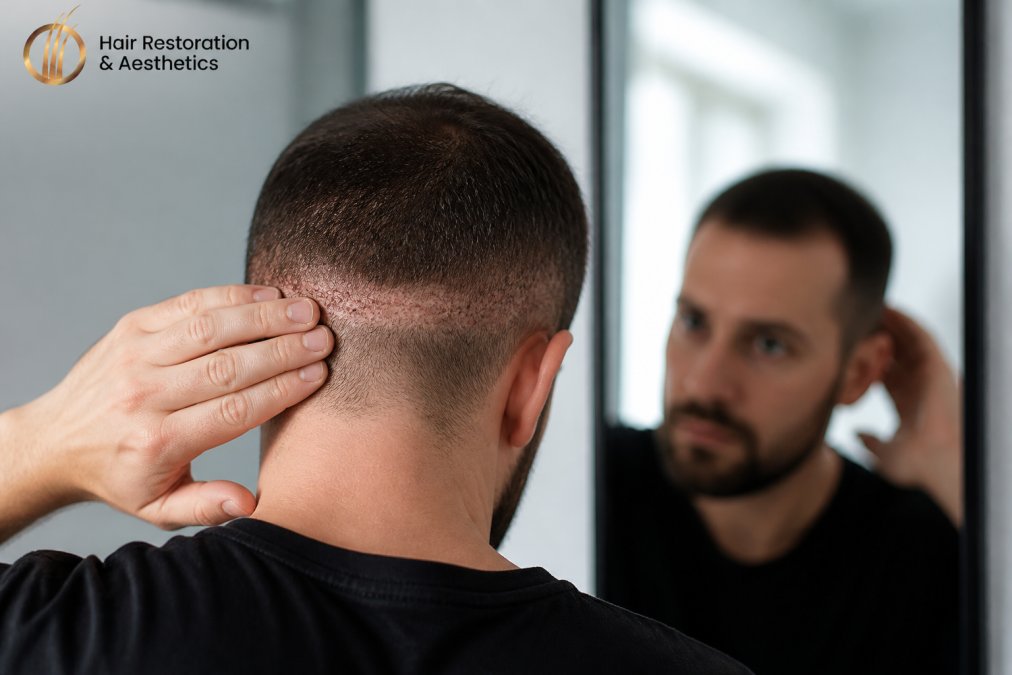
- Hair Transplant Recovery Timeline and What to Expect
- Non-Surgical Hair Restoration: Cost Comparison
- Frequently Asked Questions
Last Updated: October 6, 2026
Hair Restoration Cost in California: What Drives the Price
Understanding hair restoration cost California brings means looking beyond a single price tag.
The cost of hair restoration in California varies with the extent of hair loss and the procedure chosen.
Hair restoration pricing is complex because you're paying for grafts, not time. A graft is a single follicle or small cluster transplanted from the donor area to the recipient area.
FUE vs. FUT: Technique Differences and Pricing
FUE generally costs more because it is more time-intensive and requires advanced equipment. The Cole follicular unit extraction system, used at Hair Restoration Clinic of Granite Bay, is one of the most precise FUE technologies available.
The choice isn't purely financial. Your hair characteristics, scalp laxity, and aesthetic goals influence which method suits you best.
Graft Count and Cost Per Graft
Your total cost depends directly on graft count.
Cost per graft varies by clinic and technique. When reviewing estimates, ask explicitly: How many grafts are included? What's the cost per graft?
Graft survival rates matter as much as graft count. A surgeon's skill directly affects how many transplanted grafts grow hair.
Hair Transplant Cost Factors That Affect Your Quote
Several variables determine your final cost beyond graft count.
Extent of Hair Loss and Restoration Goals
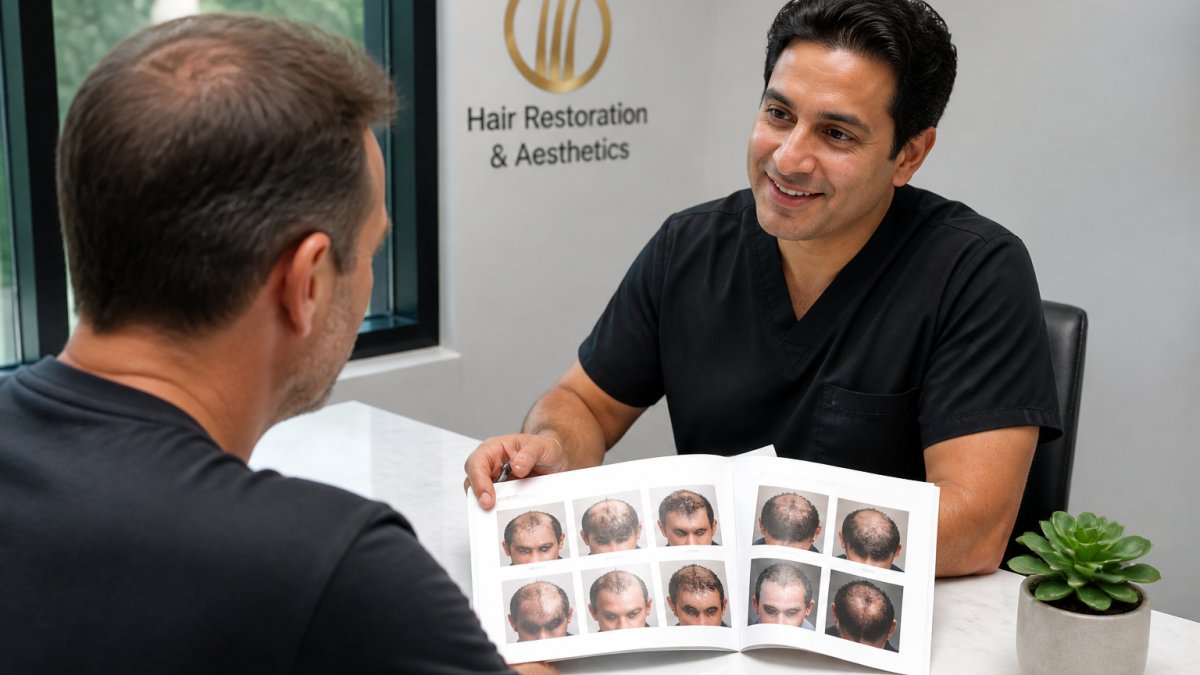
The Norwood Scale measures male pattern baldness from Stage 1 (minimal) to Stage 7 (extensive) (pubmed.ncbi.nlm.nih.gov). A Stage 2 or 3 patient seeking hairline restoration needs far fewer grafts than a Stage 6 patient wanting full crown and hairline coverage.
Your goals shape the scope: some patients want subtle improvement, while others pursue comprehensive restoration. Realistic goals prevent overspending while ensuring you invest enough for the results you want.
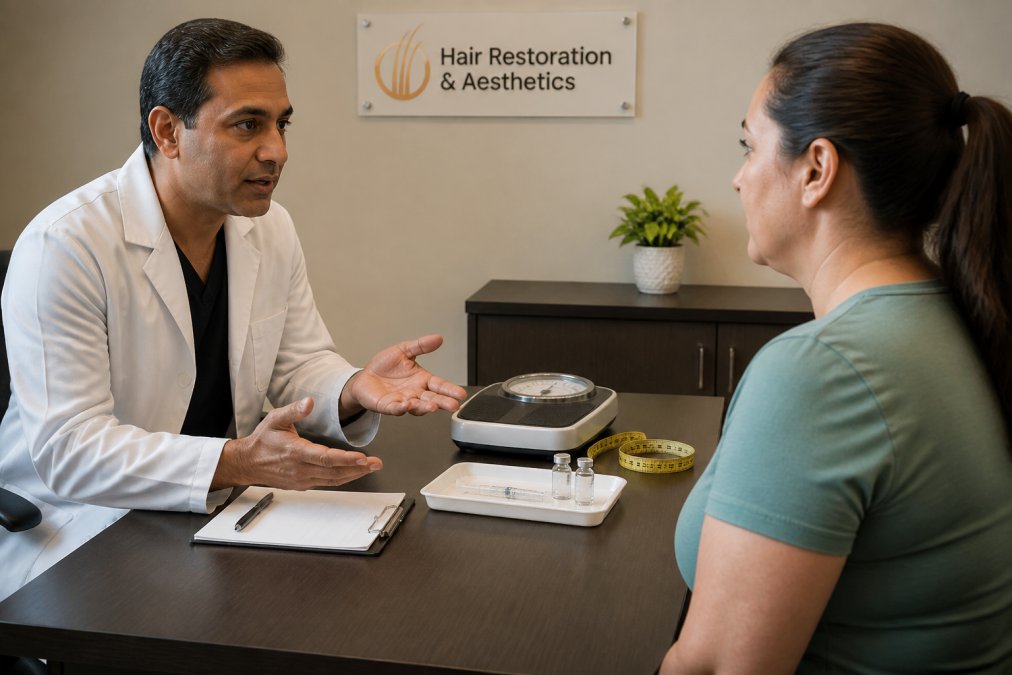
Discussing goals honestly during consultation helps your surgeon recommend the right graft count. Overselling unnecessary grafts is a red flag; a reputable surgeon explains why you need a certain number. Schedule a Free Consultation to discuss your specific goals and get a personalized recommendation.
Surgeon Experience and Clinic Location
Board-certified surgeons with extensive experience typically charge more, and for good reason: thousands of procedures bring refined technique, better aesthetic judgment, and higher graft survival rates. Piyush Kumar at Hair Restoration Clinic of Granite Bay brings over a decade of experience.
Clinic location affects hair restoration cost California varies: procedures in Los Angeles or San Francisco often cost more than in smaller cities. But a surgeon's credentials, experience, and before-and-after results matter far more.
What's Included in a Hair Restoration Quote
A complete quote should itemize exactly what you're paying for, since vague estimates lead to unexpected costs. Two quotes for the same graft count often differ because one bundles services the other bills separately.
Procedure Fees vs. Line-Item Costs
The primary charge covers the procedure itself: surgeon time, operating room, anesthesia, and graft transplantation. Beyond this, ask whether the quote includes:
- Pre-operative bloodwork and medical clearance
- Post-operative medications (antibiotics, pain management, anti-inflammatory agents)
- Post-operative shampoos and topical treatments
- Compression bandages or head wraps
Some clinics bundle these into one price; others itemize them. You need to know what's included to compare apples to apples.
A Line-Item Framework for Comparing Quotes
When you receive a written estimate, break it into these categories and ask for a number next to each:
| Line Item | Typically Bundled? | Typically Separate? |
|---|---|---|
| Surgeon fee | Yes | Sometimes |
| Facility / OR fee | Sometimes | Yes |
| Anesthesia | Sometimes | Yes |
| Graft dissection / tech fee | Yes | Rarely |
| Post-op medications | Sometimes | Yes |
| Follow-up visits | Yes | Sometimes |
| PRP add-on | Rarely | Yes |
| Revision or touch-up | Rarely | Yes |
If a clinic won't put a number next to each line, slow down. A transparent quote names the surgeon, technique, graft count, and total.
City-by-City Variation Within the State
Pricing varies across the state because overhead, demand, and surgeon supply differ. Rather than a single statewide figure, ask each clinic for its own all-in number for your specific graft count. Metro quotes usually run higher, but the gap is often smaller than patients expect once travel and follow-up logistics are factored in.
Red Flags in a Low Quote
A quote far below the rest of your set deserves scrutiny. Watch for:
- No named surgeon. If the quote doesn't say who performs the procedure, ask. Technician-only procedures are not the same product.
- Graft count that sounds too good. A very low per-graft price paired with a very high graft count can produce a total that looks competitive but delivers less density.
- "Unlimited grafts" language. Grafts are finite. A quote that promises unlimited grafts is a marketing phrase, not a clinical plan.
- No follow-up commitment. Aftercare is where graft survival is protected. A quote with no follow-up schedule is incomplete.
Follow-Up Visits and Aftercare
Quality clinics include follow-up visits: typically check-ins at one week, two weeks, and one month post-procedure to monitor healing and graft survival. Aftercare quality directly affects your results, so factor it into your decision.
Medications and topical treatments after surgery also vary. Ask whether these are included or charged separately, the headline number is rarely the final number.
Hair Restoration Financing: Making Treatment Affordable
Financing options make hair restoration accessible.
Many clinics offer in-house payment plans spreading the cost over 6 to 12 months with little or no interest.
Schedule a Free Consultation →
Some patients use health savings accounts (HSAs) or flexible spending accounts (FSAs), since hair restoration is considered a medical procedure, check your plan's specifics.
At Hair Restoration Clinic of Granite Bay, payment plans are available.
Hair Transplant Consultation Questions to Ask
Before committing to any procedure, come prepared with specific questions.
Verifying Surgeon Credentials and Results
Ask whether your surgeon is board-certified by the American Board of Hair Restoration Surgery or the American Board of Plastic Surgery, and verify credentials independently through the American Medical Association or your state medical board.
Request before-and-after photos from patients with similar hair loss patterns. Photos should show results at 6 months, 12 months, and beyond, not just immediately after surgery, when swelling masks the true outcome.
Ask how many hair restoration procedures your surgeon has performed. A surgeon who has done thousands of cases brings refined technique and better aesthetic results.
Hair Transplant Recovery Timeline and What to Expect
Understanding recovery helps you plan time off work and manage expectations for results.
The first week involves the most visible swelling and redness, and most patients take 7 to 10 days off work.
Visible hair growth begins around month three, with noticeable improvement by month six.
Downtime and Return to Normal Activities
Most patients resume desk work within 7 to 10 days. Physical labor and heavy exercise require 3 to 4 weeks. Contact sports and swimming should wait 4 weeks to avoid infection risk.
Itching and mild discomfort are normal during healing, and prescribed medications manage them. Avoid scratching the recipient area, which can dislodge grafts.
Visible Results and Long-Term Outcomes
Transplanted hair sheds 2 to 3 weeks after surgery, which is normal, it regrows from the transplanted follicles. New growth appears around month three, meaningful density by month six, and substantial results by month 12.
Results are permanent. Transplanted hair comes from your donor area, which is genetically resistant to hair loss, so it keeps growing for life even if non-transplanted areas thin further.
Non-Surgical Hair Restoration: Cost Comparison
If surgery isn't your preference, non-surgical options exist, though they work differently and require ongoing treatment. Compare them by cost per year of maintained result, not sticker price, most stop working the moment you stop using them.
The Ongoing-Cost Reality
Topical minoxidil (Rogaine) and oral finasteride (Propecia) slow hair loss and can regrow some hair, but both require indefinite use, results stop if you discontinue.
A useful frame: surgery is a one-time investment with a permanent result in transplanted areas, while non-surgical options are a subscription. Neither is automatically cheaper, it depends on how many years you compare over.
Comparing the Options Side by Side
| Option | How It Works | Commitment | Best For |
|---|---|---|---|
| Topical minoxidil | Slows loss, supports regrowth | Daily, indefinite | Early thinning |
| Oral finasteride | Slows loss at the hormonal level | Daily, indefinite | Early to mid-stage loss |
| Alma TED acoustic sound wave therapy | Non-invasive stimulation of follicles and scalp | Series of sessions, then maintenance | Patients wanting a non-drug, non-surgical option |
| FUE hair transplant | Moves permanent donor follicles to thinning areas | One procedure, plus optional touch-up | Visible baldness, restored density |
At Hair Restoration Clinic of Granite Bay, we also offer Alma TED acoustic sound wave therapy, a non-invasive approach that stimulates hair follicles and improves scalp health, a middle ground between surgery and topical treatments, though it requires multiple sessions and ongoing maintenance.
The Long-Term Math
Run the numbers over a realistic horizon, say, five to ten years. A daily medication adds up over a decade; a single surgical procedure has a higher upfront number but no recurring cost in transplanted areas.
The cheapest option depends on your stage of hair loss and how long you plan to treat it. For early-stage thinning, a medication-first approach is often most economical.
What Non-Surgical Options Can and Can't Do
Non-surgical approaches work best for early-stage hair loss and cannot restore significant baldness the way transplantation does. For advanced hair loss, surgery remains the most effective permanent solution. Medications and acoustic therapy slow or support, they don't replace restoring lost density.
A Practical Decision Framework
- Stage your loss. Early thinning favors medication-first. Visible baldness favors surgical evaluation.
- Decide your horizon. If you'll treat for decades, compare the decade cost, not the monthly cost.
- Ask about combination plans. Many patients use medication to protect existing hair while a transplant restores lost density.
- Get a written plan. Sessions, schedule, maintenance, and total cost, in writing, before you commit.
Frequently Asked Questions
What factors affect the cost of a hair transplant?
Several elements influence hair transplant pricing: the number of grafts needed, the extent of hair loss, the surgical technique (FUE extracts individual follicles, while FUT removes a strip), surgeon experience, and clinic location. A small hairline touch-up costs significantly less than full crown restoration. During a consultation, a qualified surgeon evaluates your hair-loss pattern and discusses realistic graft requirements, which directly impacts the total procedure cost.
How long does recovery take after FUE hair restoration?
Most patients return to light activities within 3-5 days and resume normal exercise within 2-3 weeks. The donor and recipient areas remain sensitive during early healing, so strenuous activity, direct sun exposure, and certain hair products should be avoided initially. Visible results appear gradually over 3-6 months as transplanted hair grows. Swelling and redness typically fade within 1-2 weeks, allowing many people to return to work quickly.
How do I compare hair restoration quotes from different providers?
Request a detailed quote that specifies the number of grafts, cost per graft, what's included (anesthesia, follow-up visits, aftercare products), and what's excluded. Ask whether the surgeon is board-certified and how many procedures they've performed. Verify credentials independently and review before-and-after photos from patients with similar hair-loss patterns. Unusually low quotes may indicate less experienced surgeons or fewer grafts than you actually need, quality and experience matter more than price alone.
Is Alma TED a good alternative to hair transplant surgery?
Alma TED uses acoustic sound wave therapy to stimulate hair follicles and is non-invasive, making it attractive for patients who want to avoid surgery. However, it works best for early-stage hair loss and hair health maintenance rather than significant restoration. A hair transplant with FUE is the gold standard for visible, permanent results when substantial hair loss has already occurred. A consultation with a qualified surgeon can determine which approach, or combination, suits your specific situation.