 how-to
How to Combine Dermal Fillers With Other Facial Treatments
Last Updated: October 29, 2026
Quick Summary
Dermal fillers are often combined with neurotoxins, skin rejuvenation treatments, or PDO threads because each addresses a different cause of facial aging. Fillers restore volume and smooth static folds, while neurotoxins soften movement-related lines. The order and spacing of treatments should be set by a physician after an in-person exam.
- Neurotoxins relax muscles that cause dynamic wrinkles, while dermal fillers add support beneath the skin for static folds.
- Physicians often inject neurotoxins first and assess the result before adding filler.
- Filler and PDO threads share tissue planes, so they are usually staged rather than done on the same day.
- Filler and laser facials or microneedling are often spaced one to two weeks apart.
- Tell your provider about all medications and supplements, especially blood thinners, before combining treatments.
Table of Contents
- What Dermal Fillers Do and Where They Fit in a Facial Plan
- Dynamic Wrinkles Versus Static Lines and Folds
- Combining Botox and Dermal Fillers for Balanced Results
- Dermal Fillers and Skin Rejuvenation Treatments
- Dermal Fillers With PDO Threads: Sequencing and Safety
- How Long to Wait Between Fillers and Other Facial Treatments
- Planning Your Combined Treatment at a Consultation
- Frequently Asked Questions
What Dermal Fillers Do and Where They Fit in a Facial Plan
Dermal fillers restore volume, smooth folds, and add definition to areas of the face that have lost structure over time. Once you understand what they do, guidance on selecting the right filler for your face walks through how to narrow down the options.
Dermal fillers are gel-based injectables, most commonly made from hyaluronic acid, that the physician places beneath the skin (the FDA). They add volume where it has faded and lift areas that have started to sag. They work differently than neurotoxins, which relax the muscles responsible for movement-related lines.
Fillers fit best where the problem is loss of volume or structure. Common target areas include:
- Cheeks, where volume tends to drop with age
- Nasolabial folds, the lines running from the nose to the corners of the mouth
- Lips, for added fullness or definition
- Under-eye hollows, for a more rested look
- Jawline and chin, for sharper contours
A good plan starts with a physician examining the face and explaining which areas will benefit most. Our overview of the different filler types can help you understand how each one fits into a plan before you decide. Not every concern calls for filler.
Dynamic Wrinkles Versus Static Lines and Folds
Lines on the face fall into two broad groups. Dynamic wrinkles appear when muscles contract, like the lines between the brows when frowning or the creases across the forehead when raising the eyebrows. Static lines and folds stay visible even at rest because the skin has lost elasticity and volume underneath.
This difference matters because each type responds to a different treatment. Neurotoxins reduce dynamic wrinkles by relaxing the muscles that cause them. Dermal fillers address static folds by adding support beneath the skin. Many patients have both types, which is why combining treatments can make sense.
Knowing which type of line you have helps guide the plan. A physician can usually tell the difference during an in-person exam. Watch how your face looks when you smile, frown, and speak, then look at it again at rest. Lines that show up only with movement point toward muscle-based treatments.
Combining Botox and Dermal Fillers for Balanced Results
Combining neurotoxins and dermal fillers is one of the most common ways to address facial aging. You can explore expert neurotoxin treatments for wrinkle reduction to see which options may suit your goals. The two treatments complement each other. Neurotoxins such as Botox, Dysport, or Xeomin soften muscle-driven lines, while fillers restore volume and smooth static folds.
Why does this combination work? Relaxing the muscles can make the skin look smoother, and adding volume can lift areas that have dropped. Together, they often produce a more balanced look than either treatment alone. Many patients find this approach gives a fresher appearance with natural-looking movement.
Common pairings include:
Sequencing matters. Physicians often inject neurotoxins first and assess the result before adding filler, since the muscle relaxation can change how the face looks at rest. Your physician will decide the order based on your anatomy and goals.
Dermal Fillers and Skin Rejuvenation Treatments
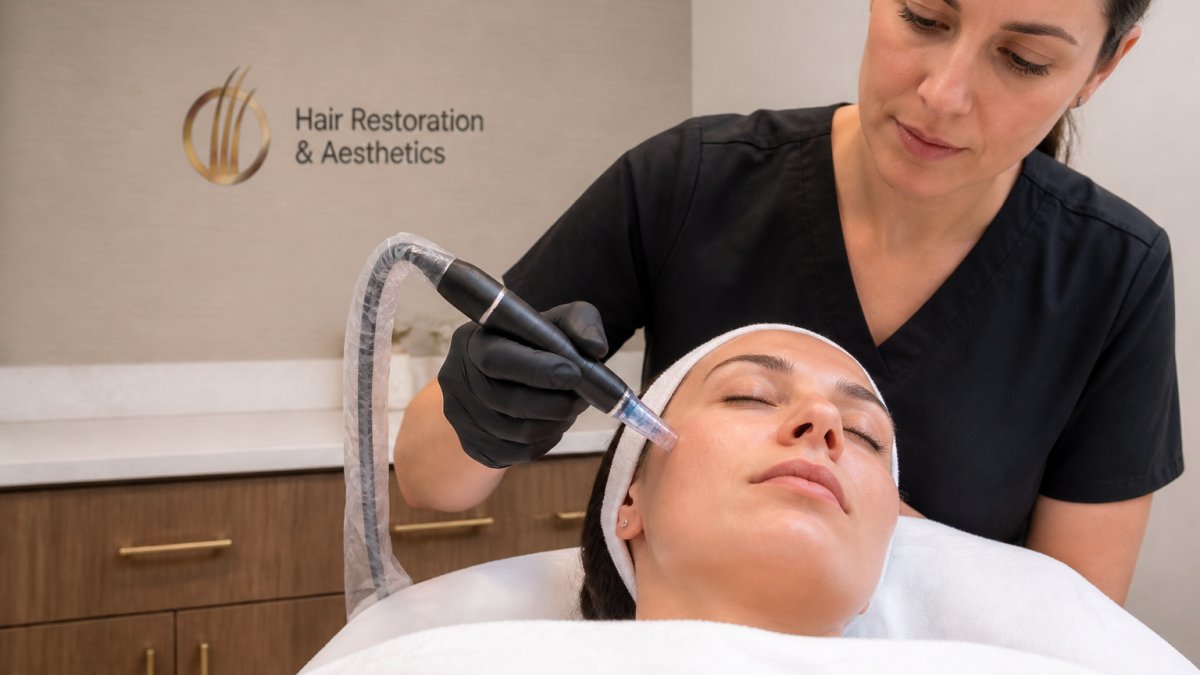
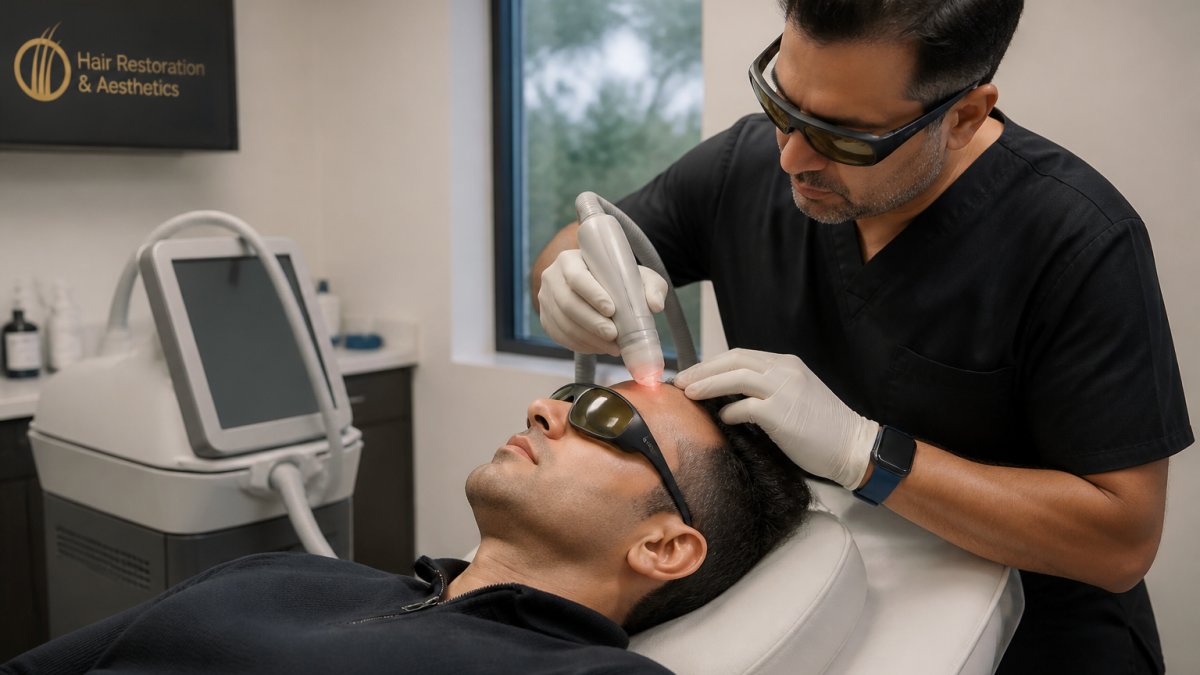
Dermal fillers address volume and structure, while skin rejuvenation treatments focus on the surface of the skin. Laser facials, microneedling, and PDO threads all work on skin quality and texture.
The two types of treatment target different things, so they usually don't compete. Skin treatments can improve tone, texture, and fine lines on the surface. Fillers restore the underlying support that gives the face its shape. When used together, they can address concerns at more than one level.
Timing still matters. Some skin treatments can cause temporary redness or sensitivity, and the physician may want the skin to settle before adding filler to the same area. Ask about the best order for your specific plan at your consultation.
Dermal Fillers With PDO Threads: Sequencing and Safety
PDO threads are dissolvable sutures placed in the skin to provide lifting support. You can see how PDO thread lift treatments work and what they involve for non-surgical lifting. Fillers and threads can act on the same tissue, so the order and spacing of the two treatments is a question for your physician.
Schedule a Free Consultation →
Why sequencing matters at the tissue level
When a thread is placed, it creates a small pocket along its path and anchors to the surrounding tissue. If filler is injected into that same plane too soon, the gel can track along the thread path, distort the lift, or make the area feel lumpy. Conversely, if threads are placed into tissue that is still swollen from recent filler, the physician has a less accurate picture of where support is actually needed.
A common pattern is:
- Filler first, threads later when the primary goal is restoring volume loss, because the thread lift is planned around the new contour.
- Threads first, filler later when the primary goal is lifting sagging tissue, because the filler is then used to refine and blend the lifted result.
What the physician evaluates before combining
- Skin thickness and mobility in the treatment area
- Whether the concern is volume loss, tissue descent, or both
- Prior filler or thread placement in the same region, and how recently
- Any history of cold sores, keloids, or poor wound healing
- Current medications and supplements that affect bleeding or bruising
Safety: what to disclose and what to watch for
Tell your provider about all prescription and over-the-counter medications, supplements (especially fish oil, vitamin E, ginkgo, and high-dose garlic), prior aesthetic procedures, and any history of allergies, autoimmune conditions, or bleeding disorders. Blood thinners and some supplements raise the risk of bruising and are usually reviewed before any injectable or thread procedure.
Bruising, swelling, and tenderness are common after these treatments, and serious complications are possible, which is why a consultation and a full medical history come before any booking.
Common planning mistakes to avoid
- Stacking filler and threads in the same area on the same day without a clinical reason
- Choosing a combination from online photos rather than from an exam of your own anatomy
- Leaving out supplements or blood thinners during the intake
- Skipping the follow-up that lets the physician judge the settled result before the next step
How Long to Wait Between Fillers and Other Facial Treatments
There is no single waiting period that fits every patient, but the intervals are not arbitrary. They follow from how each treatment behaves in the tissue, and a physician sets them by modality, by area, and by how your skin responds. The table below reflects common patterns; your own plan may differ.
| Combination | Typical spacing | Why |
|---|---|---|
| Neurotoxin + filler | Same visit is common; some physicians stage by 1-2 weeks | Neurotoxin effect develops over several days, so the resting face can be assessed before filler is placed |
| Filler + laser facial or microneedling | Often 1-2 weeks apart, surface treatment after filler has settled | Redness and sensitivity from energy-based or needling treatments can obscure early filler assessment |
| Filler + PDO threads | Usually staged rather than same-day | Threads and filler share tissue planes; swelling from one distorts planning for the other |
| Neurotoxin + laser facial or microneedling | Often same visit or within days | Different tissue targets; the main consideration is comfort and aftercare overlap |
How onset and settling affect the schedule
Neurotoxin effects develop over several days, and your physician will advise on timing before adding filler. Hyaluronic acid fillers settle over days to a couple of weeks; early swelling can make the result look fuller or slightly uneven compared with the settled outcome. Judging a combination before both have settled risks over-treating.
Aftercare across modalities
Downtime differs by treatment, and the combination determines what your week looks like:
- Injectables only: most patients return to normal activity the same day; avoid strenuous exercise, alcohol, and facial massage for about 24 hours, and skip saunas and hot yoga for a few days to limit swelling.
- Injectables plus microneedling or laser facial: expect redness and sensitivity for a few days; follow the provider's instructions on gentle cleansing, sun protection, and when to resume actives such as retinoids or acids.
- Injectables plus PDO threads: avoid heavy facial pressure, sleeping face-down, and dental work or facial massage for the period your physician specifies, since early thread displacement is the main avoidable risk.
Results, duration, and maintenance
Results vary by product, treatment area, and individual factors, and your physician can explain the expected duration for your plan. Maintenance visits are usually scheduled around these windows rather than on a fixed calendar.
A combined plan can address more than one cause of facial aging at once. The right intervals are the ones your physician sets after examining your face, reviewing your history, and watching how your tissue responds to the first step.
Planning Your Combined Treatment at a Consultation
A consultation is the best place to build a combined plan. The physician will examine your face, discuss your goals, and recommend options that make sense for your anatomy.

Come prepared with questions. A free consultation is available, so you can talk through your options before committing to anything. Schedule your free consultation to plan your combined treatment with our team. Schedule a Free Consultation at Hair Restoration Clinic of Granite Bay.
A thoughtful plan balances results with safety and timing. Combining treatments can be an effective way to refresh the face, but the best combination is the one built around your own goals and anatomy. Start with a conversation, and let your physician guide the next steps.
Frequently Asked Questions
Can you get a facial after dermal fillers?
Many people ask whether a facial is safe after filler, and the answer depends on the type of facial and how recently the filler was placed. Deep pressure, aggressive extractions, and heat treatments are generally avoided for a short period after injection because they can irritate treated areas. Gentle facial treatments are often discussed with your provider as part of your aftercare plan. Always confirm timing with the clinician who performed your injections before booking any facial work.
How do you decide which facial rejuvenation treatments to combine?
Combination planning starts with a consultation where a qualified provider examines your facial anatomy, looks at dynamic wrinkles caused by muscle movement, and assesses areas of lost volume or skin quality. Dermal fillers are often used to restore volume, while neuromodulators such as Botox, Dysport, or Xeomin soften movement-related lines. Your goals, medical history, and candidacy determine which treatments are appropriate and in what order. A personalized plan is more reliable than a generic combination.
Can dermal fillers and neurotoxins be used in the same treatment plan?
Yes, dermal fillers and neurotoxins are frequently used together because they address different concerns. Fillers add structure and volume to areas that have lost it, while neurotoxins relax muscles that create expression lines. Providers typically consider how each treatment may affect the other, including timing and placement, before recommending a combined plan. Your physician will explain expected outcomes, possible side effects, and recovery for each component.
How long should you wait between dermal fillers and other treatments?
Waiting periods vary with the specific treatments involved, the areas treated, and your individual response. Your provider will usually recommend a spacing schedule to reduce irritation and allow results to settle before layering additional treatments. Questions about timing should be addressed during your consultation, and you should follow the aftercare instructions given for each procedure.