 how-to
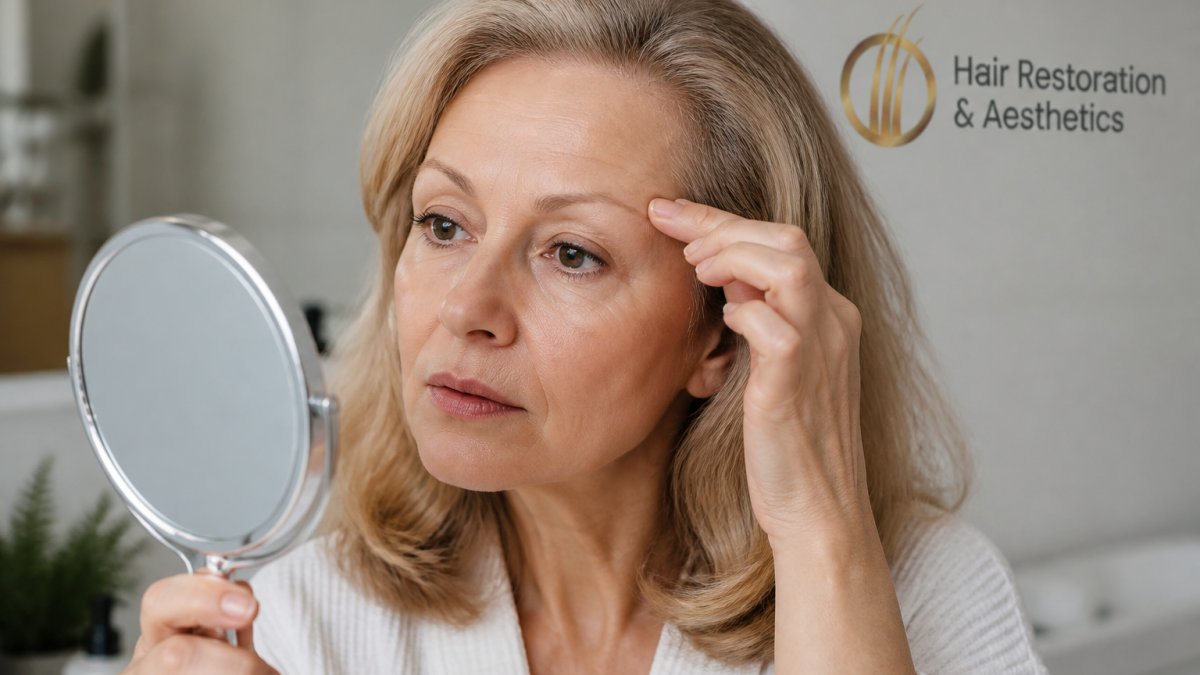
Why Eyebrows Thin as We Age: Causes and Solutions
Table of Contents
- Understanding the Natural Aging Process and Hair Growth Cycles
- Hormonal Fluctuations and Menopausal Transition
- Thyroid Conditions and Hormonal Imbalance
- Nutritional Deficiencies and Diet Impact
- Autoimmune Conditions and Skin Health
- The Damage of Overplucking and Prevention
- Eyebrow Restoration Treatments and Non-Invasive Hair Restoration
- Medication Side Effects and Medical Considerations
- Frequently Asked Questions
Last Updated: October 3, 2026
Understanding the Natural Aging Process and Hair Growth Cycles
As we age, our hair follicles go through natural changes that affect how thick and full our eyebrows appear. Understanding why eyebrows thin as we age starts with knowing how hair grows in the first place.
The hair growth cycle has three main phases. The anagen phase is when hair actively grows. The catagen phase is a short transition period. The telogen phase is the resting stage before the hair falls out.
As we enter our 40s, 50s, and beyond, the timing changes. Hair spends less time growing and more time resting.
How Hair Follicles Change Over Time
Hair follicles themselves actually shrink as we age. This process is called follicular atrophy. Smaller follicles produce thinner, shorter hairs. Even if new hairs do grow, they're not as noticeable because they're finer.
The follicles also become less active overall. They produce fewer hairs per cycle. Think of it like a factory running at reduced capacity. The machinery still works, but it's not operating at full strength anymore.
This change happens to everyone, but the timing varies. Some people notice thinning eyebrows in their 40s. Others don't see significant changes until their 60s or 70s.
The Anagen Phase and Follicular Atrophy
The anagen phase is critical for eyebrow density. During this phase, hair actively grows from the follicle. In youth, the anagen phase lasts longer for facial hair, which is why eyebrows stay thick.
With age, the anagen phase shortens. Hair doesn't have as much time to grow long and strong. The result is shorter, finer hairs that shed more frequently. When combined with follicular atrophy, this creates the sparse, wispy look many people experience.
Hair follicles also become more sensitive to hormonal changes as we age. This sensitivity can trigger the shift out of the growth phase faster than it did when we were younger.
Hormonal Fluctuations and Menopausal Transition
Hormones control hair growth more than most people realize. Estrogen and other hormones keep hair in the growth phase longer (Checking your browser).
Women often notice eyebrows thin more noticeably during menopause. This is when estrogen levels fall significantly. The drop in estrogen can trigger faster hair shedding and slower regrowth.
Hormonal changes don't just affect the scalp. Facial hair, including eyebrows, is highly sensitive to these shifts. Many women report that their eyebrows became noticeably thinner during the menopausal transition.
The good news is that understanding this connection helps explain why eyebrows thin as we age. It's not random.
Thyroid Conditions and Hormonal Imbalance
The thyroid gland controls metabolism and influences hair growth. When the thyroid isn't working properly, hair can thin dramatically. This includes eyebrows.
Hypothyroidism and Hair Loss
Hypothyroidism occurs when the thyroid doesn't produce enough hormone. This slows metabolism and disrupts the hair growth cycle. People with hypothyroidism often experience thinning eyebrows, along with hair loss on the scalp.
Hypothyroidism pushes hair follicles into the telogen phase prematurely. Hair sheds faster than it grows back. Eyebrows become noticeably sparse and thin. The condition also affects the texture of remaining hairs. They may become coarse, dry, or brittle.
Many people don't realize their eyebrow thinning is connected to thyroid function. If you notice sudden eyebrow loss along with fatigue, weight gain, or cold sensitivity, thyroid testing is worth discussing with your doctor.
Hyperthyroidism Effects on Brow Density
Hyperthyroidism is the opposite problem. The thyroid produces too much hormone. This speeds up metabolism and can also disrupt hair growth cycles.
With hyperthyroidism, hair may shed excessively. Eyebrows can thin rapidly. The condition creates a different pattern than hypothyroidism, but the result is similar: sparse, thin eyebrows.
Thyroid imbalance is one of the most common medical causes of eyebrow thinning. If you suspect a thyroid issue, getting tested is the first step toward addressing hair loss.
Nutritional Deficiencies and Diet Impact
Hair needs specific nutrients to grow. Without them, eyebrows thin. This becomes more common as we age because older adults often absorb fewer nutrients from food.
Biotin and Iron Deficiency
Biotin is a B vitamin essential for hair growth. It strengthens hair and supports the growth cycle. Biotin deficiency leads to weak, thin hair and slow regrowth.
Iron deficiency is another common culprit. Iron carries oxygen to hair follicles. Without enough iron, follicles can't function properly. Hair growth slows. Eyebrows thin.
Women are especially vulnerable to iron deficiency after menopause ends. The combination of low iron and hormonal changes can accelerate eyebrow thinning.
Other nutrients matter too:
- Zinc supports hair follicle health
- Vitamin D influences hair growth cycles
- Protein provides building blocks for hair structure
- B vitamins support follicle function
Addressing nutritional gaps can help slow eyebrow thinning and support regrowth. Eating iron-rich foods, biotin sources, and protein at every meal helps maintain eyebrow density as you age.
Autoimmune Conditions and Skin Health
Autoimmune diseases attack the body's own cells. Hair follicles can be targets. This causes sudden, sometimes dramatic hair loss.
Alopecia Areata and Inflammation
Alopecia areata is an autoimmune condition where the immune system attacks hair follicles. It causes patchy hair loss on the scalp and can affect eyebrows too. The condition creates round or oval bald spots. Eyebrows may lose hair in patches or thin overall.
Alopecia areata is unpredictable. Hair may regrow on its own, or loss may continue. The condition causes inflammation at the follicle level. This disrupts the growth cycle and prevents new hair from emerging.
Schedule a Free Consultation →
Eczema, Psoriasis, and Dermatological Impact
Eczema and psoriasis are inflammatory skin conditions. They create irritation and inflammation on the skin. When these conditions affect the eyebrow area, they can damage hair follicles.
Chronic inflammation disrupts the hair growth cycle. Follicles may stop producing hair or produce thinner hairs. Scratching and irritation from these conditions can also damage follicles directly.
If you have eczema or psoriasis affecting your eyebrows, treating the skin condition often helps with hair regrowth. Working with a dermatologist to control inflammation supports eyebrow health.
The Damage of Overplucking and Prevention
Many people don't realize that overplucking eyebrows in youth can cause permanent damage. This is one of the few causes of eyebrow thinning that's preventable.
When you pluck a hair repeatedly from the same follicle, you can damage it permanently. The follicle may stop producing hair altogether. This damage accumulates over decades.
The 1990s and early 2000s saw a trend toward very thin, over-plucked eyebrows. Many women who followed that trend now struggle with sparse eyebrows.
Prevention is straightforward:
- Pluck sparingly and only when necessary
- Avoid aggressive plucking near the inner brow
- Let your natural brow shape guide you
- Consider professional shaping if you're unsure
If you've already damaged your eyebrows through overplucking, don't lose hope. Professional treatments can help restore density and shape.
Eyebrow Restoration Treatments and Non-Invasive Hair Restoration
When eyebrows thin as we age, several treatment options exist. Some are temporary. Others provide permanent results.
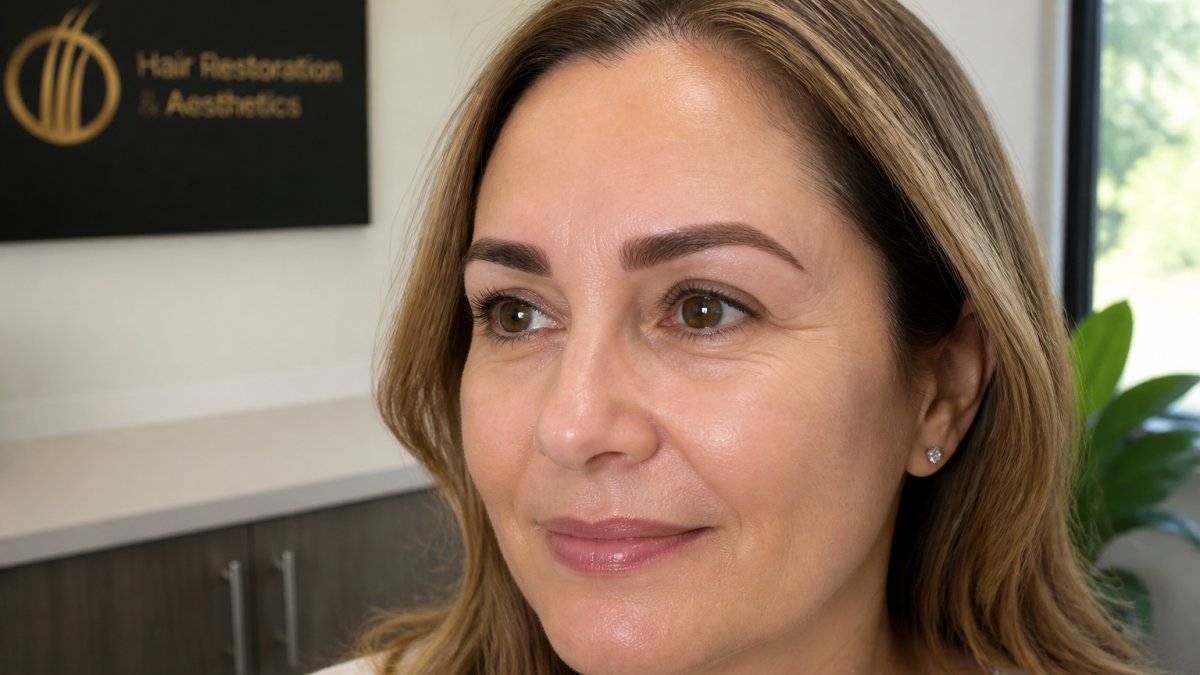
FUE Eyebrow Transplant: Permanent Solutions
FUE eyebrow transplants offer a permanent solution for sparse, thin eyebrows. FUE stands for follicular unit extraction. This technique harvests individual hair follicles from areas where hair grows thicker, usually the scalp. These follicles are then transplanted into the eyebrow area.
The transplanted hairs grow naturally. They maintain their original growth characteristics. Results look completely natural because they're your own hair. At Hair Restoration Clinic of Granite Bay, we use the Cole follicular unit extraction system, which is industry-leading technology for precise, natural-looking results.
FUE eyebrow transplants are permanent. The transplanted follicles don't thin or fall out like your original eyebrows did.
The procedure works well for:
- Overplucked eyebrows that won't regrow
- Age-related eyebrow thinning
- Eyebrows damaged by injury or burns
- People seeking fuller, more defined brows
Topical Serums and Professional Grooming
For people seeking non-invasive options, topical serums designed for eyebrow growth can help. These products contain ingredients that support hair follicle health and encourage growth.
Serums work best when:
- Eyebrows are thinning but not severely sparse
- You're addressing nutritional deficiencies
- You want to slow further thinning
Professional grooming also matters. A skilled brow specialist can shape thin eyebrows to look fuller and more defined. Strategic shaping makes sparse hair appear denser.
At Hair Restoration Clinic of Granite Bay, we also offer Alma TED acoustic sound wave therapy for hair restoration.
The combination of professional grooming, topical treatments, and non-invasive therapies can slow thinning and improve appearance. For permanent density restoration, FUE eyebrow transplants remain the most effective option.
Medication Side Effects and Medical Considerations
Certain medications can cause eyebrow thinning as a side effect. If you started a new medication around the time your eyebrows began thinning, this could be the connection.
Common medication classes that may affect hair growth include:
- Blood pressure medications
- Thyroid medications (if dosage is incorrect)
- Certain antidepressants
- Chemotherapy drugs
- Blood thinners
- Retinoids and other skin medications
If you suspect medication is causing eyebrow thinning, don't stop taking it without talking to your doctor. Instead, discuss the side effect with your prescribing physician.
Some medication-related hair loss is temporary. Once you stop taking the medication or adjust the dosage, eyebrows may regrow. Other cases require more intervention.
Medical conditions beyond thyroid issues can also cause eyebrow thinning:
- Lupus and other autoimmune diseases
- Nutritional absorption disorders
- Hormonal disorders beyond menopause
- Skin conditions affecting the brow area
If your eyebrow thinning is sudden, severe, or accompanied by other symptoms, medical evaluation is important.
| Cause of Eyebrow Thinning | Characteristics | Treatment Options |
|---|---|---|
| Natural aging | Gradual thinning over years | Serums, professional grooming, transplants |
| Hormonal changes | Thinning during menopause | Address hormones, transplants, serums |
| Thyroid imbalance | Sudden or rapid thinning | Treat thyroid condition, then reassess |
| Nutritional deficiency | Thin, weak-looking hair | Improve diet, supplements, time |
| Overplucking damage | Sparse, uneven brows | Transplants, serums, professional shaping |
| Autoimmune conditions | Patchy or overall thinning | Treat underlying condition, transplants |
| Medication side effects | Varies by medication | Adjust medication, supportive treatments |
Eyebrow thinning is a natural part of aging, but it doesn't have to be permanent. Piyush Kumar uses advanced techniques like FUE eyebrow transplants and non-invasive Alma TED therapy to restore natural-looking brow density.
Frequently Asked Questions
Why do eyebrows thin as we age?
Eyebrows thin due to multiple factors working together. The hair growth cycle naturally slows, with follicles spending less time in the active anagen phase. Hormonal changes, particularly during menopausal transition when oestrogen declines, reduce hair follicle sensitivity to growth signals. Nutritional deficiencies, thyroid imbalances, and years of overplucking can permanently damage follicles. Understanding these causes helps determine the best restoration approach for your situation.
Can thyroid conditions cause eyebrow hair loss?
Yes. Both hypothyroidism and hyperthyroidism affect eyebrow density. Hypothyroidism slows metabolism and cellular regeneration, reducing hair growth and causing sparse eyebrows. Hyperthyroidism accelerates hair loss by disrupting the hair growth cycle. Thyroid hormone regulates how long follicles remain in the anagen phase; when thyroid function is imbalanced, follicles shift prematurely into resting phases. If you suspect a thyroid issue, blood work from your physician can confirm the diagnosis. Treating the underlying thyroid condition often improves brow density over time.
What are the best non-invasive options for thinning eyebrows?
Non-invasive hair restoration options include topical serums containing biotin and growth-stimulating ingredients, professional eyebrow grooming and tinting to enhance appearance, and microneedling. Alma TED acoustic sound wave therapy is a non-invasive treatment that stimulates hair follicles without surgery. For more dramatic results, FUE eyebrow transplants offer permanent density restoration by harvesting healthy follicles and placing them precisely where needed. A consultation with a physician can help determine which approach matches your goals and hair loss severity.
Is it normal to lose eyebrow hair daily?
Yes, some daily eyebrow hair shedding is normal as part of the natural hair growth cycle. Hair follicles move through phases: anagen (growth), catagen (transition), and telogen (resting). During the telogen phase, hairs naturally shed. However, excessive loss, noticeably thinner brows over weeks or months, may signal nutritional deficiency, thyroid imbalance, autoimmune conditions, or follicle damage from overplucking. If you're concerned about abnormal hair loss, a dermatological evaluation can identify the underlying cause and guide treatment options.