 How-to
Precise Body Contouring for Medical Aesthetics: A Guide
Last Updated: November 17, 2026
Quick Summary
Precise body contouring for medical aesthetics means treatments that shape and refine specific areas of the body under the supervision of a qualified medical professional. Body contouring aims for controlled, targeted results, and each treatment is matched to a defined area and a clear goal after clinician review of skin quality, muscle tone and overall health.
- Treatment is aimed at a specific area, not the whole body.
- A clinician evaluates suitability, documents a baseline and monitors progress.
- Set a specific goal, such as the area and the change you want, before choosing an option.
- Use standardized photos and measurements to track progress over time.
- Results are typically gradual, may need more than one session, and vary between individuals.
Table of Contents
- What Precise Body Contouring Means in Medical Aesthetics
- How Non-Surgical Body Contouring Fits Into Medical Aesthetics
- A Step-by-Step Process for Choosing a Treatment Plan
- Body Sculpting Pros and Cons to Weigh Before You Start
- How Long Body Sculpting Results Last
- Questions to Ask at Your Body Contouring Consultation
- Book Your Free Consultation to Plan Your Treatment
- Frequently Asked Questions
What Precise Body Contouring Means in Medical Aesthetics
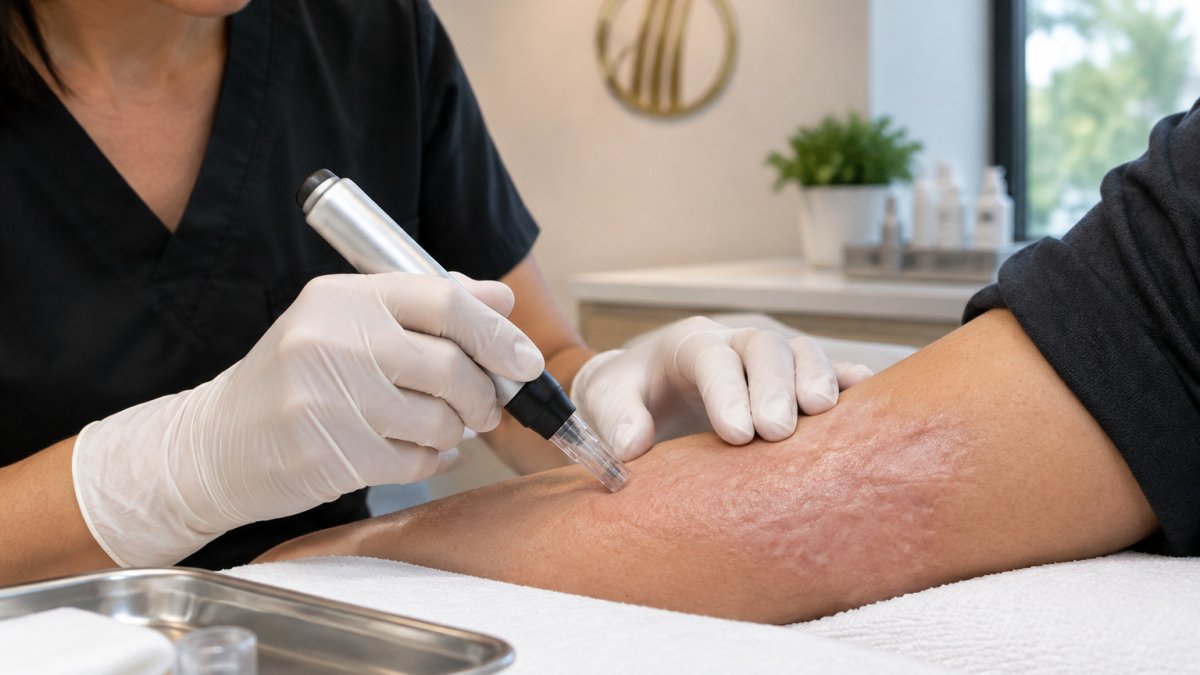
Precise body contouring for medical aesthetics refers to treatments that shape and refine specific areas of the body under the supervision of a qualified medical professional. At Hair Restoration Clinic of Granite Bay, our team focuses on treatments that aim for controlled, targeted results rather than broad changes. Body contouring is the general term for procedures that improve the shape or outline of the body, and precision means matching each treatment to a defined area and a clear goal.
Precision matters because bodies differ in skin quality and muscle tone. A treatment that suits one area may not suit another, and results depend on careful planning. A clinician reviews the treatment area, the patient's goals and their overall health before recommending any approach. You can also read whether IV therapy can improve skin elasticity and hydration as part of the clinic's wider aesthetic offerings.
Key points to understand:
- Targeted approach: Treatment is aimed at a specific area, not the whole body.
- Medical oversight: A qualified clinician evaluates suitability and monitors progress.
- Realistic expectations: Results are typically gradual and vary between individuals.
How Non-Surgical Body Contouring Fits Into Medical Aesthetics
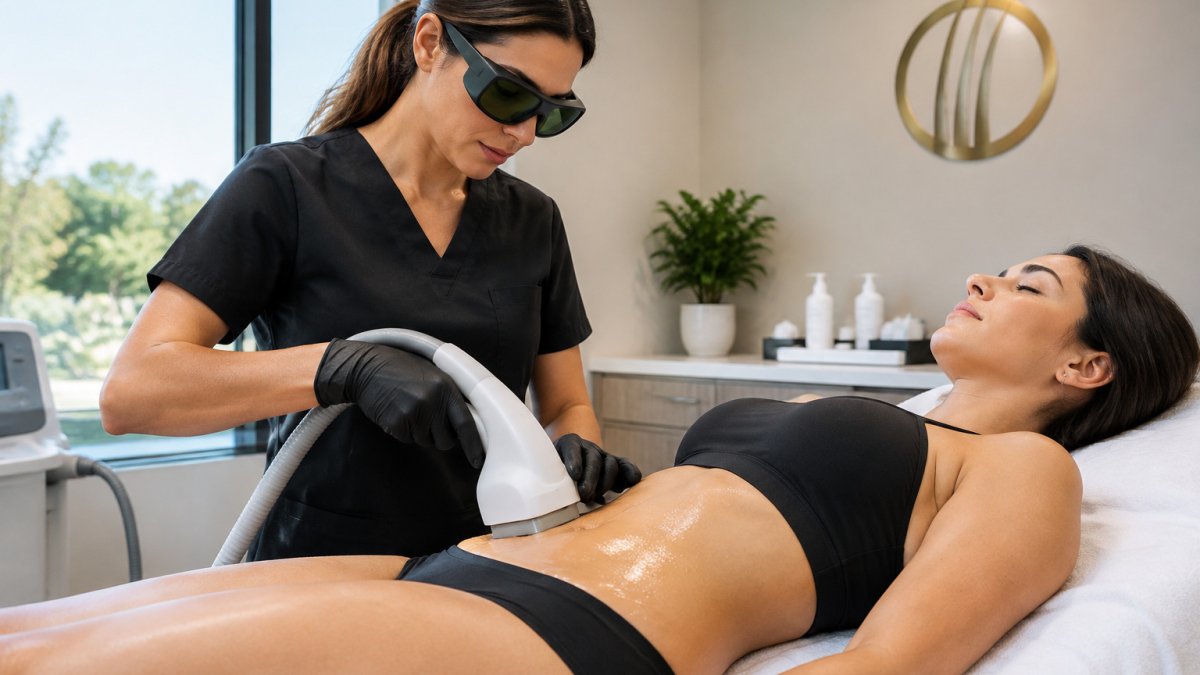
Non-surgical body contouring is one option within medical aesthetics for people who want to refine their shape without an operation. These approaches use energy-based devices or other non-invasive methods. Each method works differently, and results vary from person to person. Because non-invasive body contouring treatments differ in how they work, understanding the options can help clarify which approaches may suit an individual’s goals.
Our physician-supervised program combines non-surgical body contouring with medical weight management and metabolic support. This setting allows a clinician to consider overall health alongside the contouring goal. If you are unsure whether this path fits your goals, you can Schedule a Free Consultation to talk through your options with our team.
Always ask a qualified provider which risks and side effects apply to your situation before starting any treatment.
A Step-by-Step Process for Choosing a Treatment Plan
Choosing a treatment plan works best as a structured sequence. Each step narrows the options until a clinician can recommend an approach that fits the person's goals, anatomy and health. The steps below reflect how a physician-supervised program typically runs, from first conversation to follow-up.
- Clarify the goal in specific terms. Instead of "tone my midsection," describe the area, the change you want, and how you want clothing to fit. Vague goals make it hard to compare options or judge results later.
- Gather a complete health history. Share medications (especially blood thinners), prior aesthetic treatments, pregnancies, surgeries, allergies, and any diagnosed conditions such as thyroid disease or diabetes. A clinician will review whether any treatment is appropriate for your situation.
- Attend a consultation with a clinician, not just a salesperson. A qualified provider examines the area, palpates tissue, assesses skin elasticity and muscle tone, and reviews your history before naming any device or plan.
- Map the treatment area and set a baseline. Precision starts with documentation. A clinician should mark the treatment zone, note asymmetry, and capture standardized photographs under consistent lighting and positioning. Measurements, circumference at fixed landmarks, caliper readings where appropriate, create an objective starting point.
- Compare the options on mechanism, not marketing. Ask how each option works, how many sessions are typical, what downtime applies, and what evidence supports the expected effect.
- Agree on a plan with defined checkpoints. Confirm the number of sessions, spacing between them, the reassessment date, and the criteria for continuing, adjusting or stopping.
Assessing Treatment Areas and Goals
Precision in body contouring is not a slogan, it is a set of measurable practices. Most clinicians assess it across four dimensions:
- Area mapping: Defining the exact zone to be treated and its boundaries, so treatment does not drift into adjacent areas.
- Depth and tissue control: Understanding which layer each modality targets, skin surface, dermis, subcutaneous tissue or muscle, and confirming the device settings match that depth.
- Symmetry: Comparing left and right, and upper versus lower, so results look balanced rather than isolated.
- Standardized documentation: Repeatable photography (same distance, lighting, posture) and consistent measurement points so progress can be compared honestly over time.
Skin quality matters as much as shape. Loose, thin skin responds differently from thick, elastic skin, and a plan that ignores elasticity may produce a shape change that looks uneven. Muscle tone, prior treatments in the area, and even posture affect how a result reads. Bring photographs and a plain description of what bothers you most; clinicians use both to judge which options are realistic.
Watch out: A plan built only on the area you dislike, without assessing skin laxity and surrounding tissue, often produces a result that looks out of proportion to the rest of the body.
Combining Modalities and Sequencing Treatments
Many plans use more than one approach, and the order matters. A common pattern is to address skin quality and texture first, then layer in contouring and muscle work, then reassess before adding maintenance. Sequencing decisions usually hinge on:
- Recovery overlap: Two treatments with meaningful downtime are rarely scheduled close together.
- Tissue response: Energy-based treatments cause controlled inflammation; the skin needs time to remodel before the next session in the same area.
- Additive versus competing effects: Some combinations reinforce each other (skin rejuvenation plus contouring), while others should be spaced out to avoid over-treating one zone.
- Budget and calendar: Spacing sessions realistically around work and travel prevents rushed schedules that compromise results.
Ask how sessions will be spaced, what you should expect to see between them, and what would prompt the clinician to change the sequence. A good plan includes a reassessment point where the clinician compares standardized photos and measurements against baseline before committing to more sessions.
Body Sculpting Pros and Cons to Weigh Before You Start
Body sculpting offers real advantages, but it also has limits that depend heavily on the individual. Weighing both against your own anatomy, skin and schedule produces a better decision than a generic list.
Pros:
- No incisions or general anesthesia for non-surgical options, which means most people return to normal activities quickly.
- Targeted treatment zones let a clinician focus on a specific area.
- Adjustable plans, sessions can be spaced or paused as goals evolve.
- Documented progress, standardized photography and measurements make change visible and comparable over time.
- Coordination with overall care, a physician-supervised program can align contouring with weight management and metabolic support rather than treating them separately.
Cons:
- Gradual change: results generally develop over time and may require more than one session.
- Outcomes vary by skin elasticity, age, weight stability and area treated, someone with loose skin may see less definition than someone with firm skin.
- Not a weight-loss method, contouring refines shape rather than addressing overall weight.
- Maintenance may be needed to preserve results, especially with weight fluctuation or aging.
- Cumulative commitment, multiple sessions, follow-up visits and time away from work add up, so ask for a full plan outline at consultation.
Matching the Approach to Your Body Type and Skin
Patient-specific planning is where precision actually lives. The same approach may produce different results on different people. Clinicians typically weigh:
- Skin elasticity: Firmer skin holds a new contour better; lax skin may need skin rejuvenation or a different modality layered in.
- Fat distribution pattern: Localized vs. generalized distribution changes whether contouring alone is realistic.
- Muscle tone and posture: Underlying muscle shape affects how a contour reads, especially at the abdomen and flanks.
- Prior treatments or implants: Previous energy treatments, injectables or implants in the area influence device choice and settings.
- Weight stability: A plan is easier to maintain when weight is stable; significant fluctuation can blur results.
- Age and healing response: Older skin remodels more slowly, which affects session spacing and expectations.
How Precision Is Measured and Tracked
Precision is only meaningful if it can be checked. A consistent follow-up framework usually includes:
- Baseline documentation at consultation, standardized photos, area mapping and measurements.
- Mid-plan reassessment after the initial session block, comparing against baseline before adding sessions.
- Maintenance review at a clinician-set interval to decide whether touch-up or a pause is appropriate.
- Clear triggers for clinical review, unexpected asymmetry, persistent discomfort, skin changes or results that stall.
Ask at consultation how progress will be measured, when reassessment happens, and what would prompt a change in plan. A clinician who can describe that framework before you commit is a better signal of precision than any device brochure.
The main advantages and limits of body sculpting, as the article describes them, are summarised below.
| Aspect | Pro | Con |
|---|---|---|
| Procedure type | No incisions or general anesthesia for non-surgical options | Results develop gradually over time |
| Treatment focus | Targeted treatment zones | Not a weight-loss method |
| Plan flexibility | Sessions can be spaced or paused | Multiple sessions add up over time |
| Progress tracking | Standardized photos and measurements | Maintenance may be needed |
| Care coordination | Aligns with weight management and metabolic support | Outcomes vary by skin elasticity and age |
How Long Body Sculpting Results Last
How long results last depends on the treatment used, the area treated, and the patient's weight, lifestyle and age. Your clinician can explain what to expect for your specific plan and when a follow-up visit is useful.
Questions to Ask at Your Body Contouring Consultation
Bring this list to your appointment so you leave with clear answers:
- Am I a suitable candidate for non-surgical body contouring?
- Which treatment do you recommend for my area, and why?
- How many sessions will I need, and how far apart?
- What side effects or risks should I know about?
- What does recovery involve, and can I return to normal activities?
- How will we measure progress over time?
- What maintenance will keep my results in place?

Book Your Free Consultation to Plan Your Treatment
Choosing the right body contouring plan starts with a conversation. You can schedule your free consultation by phone or online to get started. At Hair Restoration Clinic of Granite Bay, we offer a free consultation where a clinician reviews your goals and explains which options may suit you.
Ready to take the next step? Schedule your free consultation and speak with our team about a plan built around your goals.
Frequently Asked Questions
How long do non-surgical body contouring results last?
Results from non-surgical body contouring vary by treatment type, the area treated and how a person maintains their weight and lifestyle. Body shape can change with weight gain, aging or hormonal shifts. Your provider can explain which factors are most likely to affect your results and recommend a maintenance schedule during your consultation. Results should always be discussed with a qualified professional before treatment.
What are the potential risks of non-surgical body contouring?
Non-surgical body contouring carries risks that depend on the device or technique used and the area treated. Temporary effects such as redness, swelling, tenderness or bruising are commonly reported and usually resolve on their own. Less common effects can occur, so a thorough consultation should cover your medical history, current medications and realistic expectations. No treatment is free of risk, and your provider should explain the specific risks of your plan.
How can I tell whether a body contouring treatment is right for me?
A suitable candidate usually has specific treatment goals, a realistic view of expected results and a body shape that a non-surgical approach can address. A licensed provider evaluates your skin, the target areas and your overall health before recommending a plan. Bring questions about your goals, past treatments and lifestyle to your consultation. Any decision about whether treatment fits your situation should be made with a qualified professional.