 how-to
Can IV Therapy Improve Skin Elasticity and Hydration?
Table of Contents
- How IV Hydration Therapy Works for Skin
- IV Therapy for Skin Elasticity: What the Evidence Shows
- Benefits and Risks of IV Hydration
- IV Therapy vs Drinking Water: Which Works Better?
- How Long IV Hydration Lasts and Realistic Outcomes
- Is IV Therapy Right for Your Skin Goals?
- Frequently Asked Questions
Last Updated: October 19, 2026
How IV Hydration Therapy Works for Skin
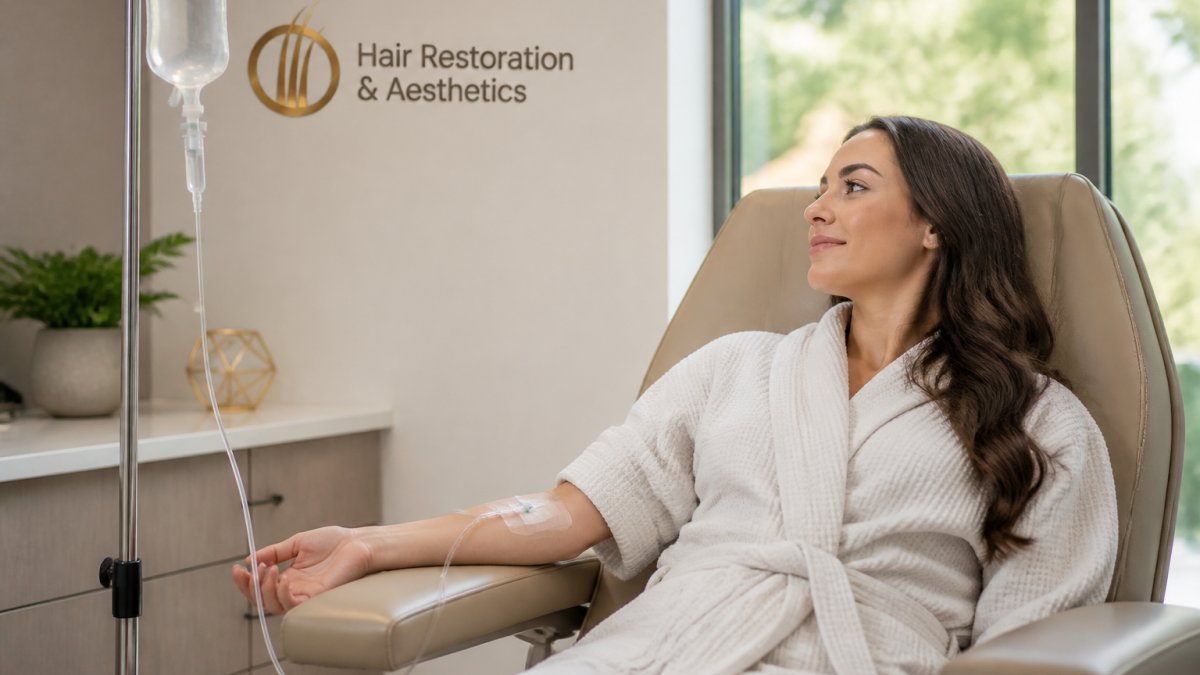
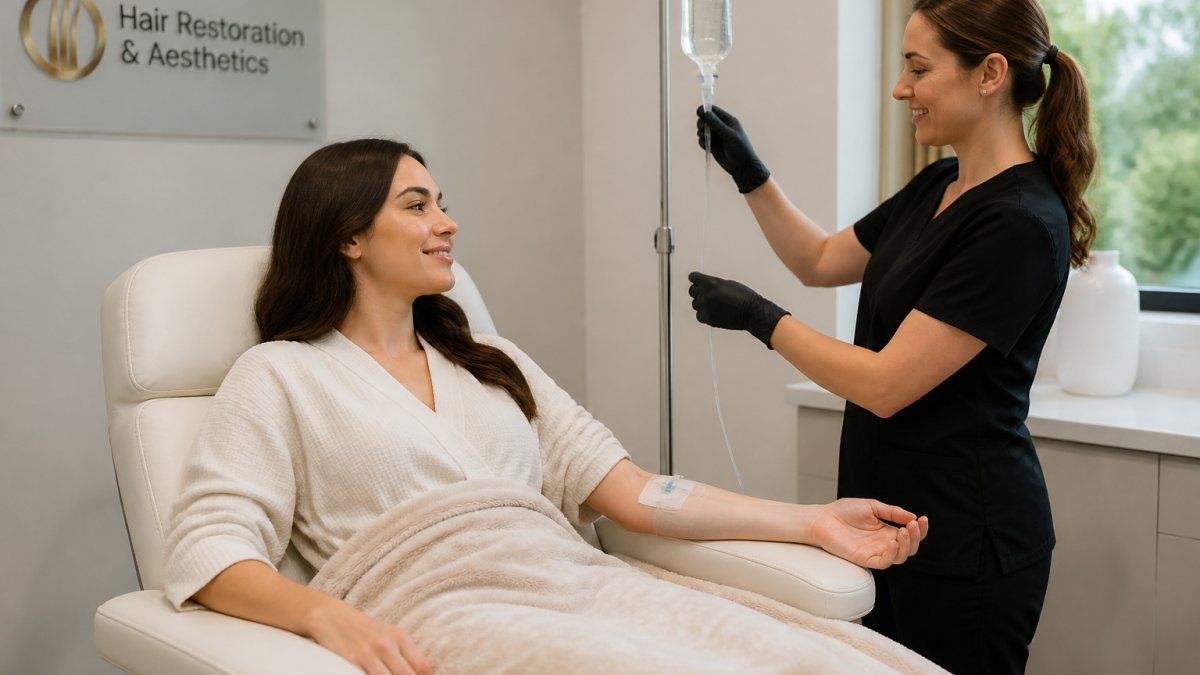
IV hydration therapy delivers fluids and nutrients directly into your bloodstream through an intravenous line, and many people wonder if can IV therapy improve skin elasticity and hydration. Unlike drinking water, which passes through your digestive system, IV therapy bypasses that process entirely. This means your body absorbs the fluids and electrolytes more quickly and completely.
When you receive IV hydration, the solution reaches your cells within minutes. Your body can then use those nutrients to support skin health from the inside out. The therapy works at the cellular level, where real hydration happens.
Direct Cellular Hydration and Nutrient Delivery
Your skin cells need water to function properly. When cells are dehydrated, they shrink and lose their plump appearance. IV hydration delivers water directly to where your body needs it most.
The IV solution contains more than just water. It includes electrolytes like sodium, potassium, and magnesium. These minerals help your body hold onto the fluid and distribute it where it matters. Your cells absorb the water more efficiently than they would from drinking alone.
Nutrient delivery is where IV therapy shows real promise. The solution can include vitamins like B vitamins and vitamin C. These nutrients travel directly to your skin cells without being broken down by stomach acid. Your skin gets the full benefit of what you're receiving.
Electrolytes, Vitamins, and Skin Health
Electrolytes maintain fluid balance inside and outside your cells. When your electrolyte levels are balanced, your cells stay hydrated and firm. Dehydrated skin looks dull and shows fine lines more prominently. Proper electrolyte balance helps reverse that.
Vitamin C is a key player in skin health. Your body uses it to build collagen, the protein that keeps skin firm and elastic (pubmed.ncbi.nlm.nih.gov). When you receive vitamin C through IV therapy, it reaches your skin cells quickly. This supports collagen production at the cellular level.
B vitamins support energy production in your cells. They help your skin repair itself and maintain a healthy barrier. A strong skin barrier keeps moisture in and irritants out. This is why many IV therapy formulas include B-complex vitamins.
Antioxidants in IV solutions protect your skin from damage. They neutralize free radicals that break down collagen and elastin. Over time, this protection can help your skin look younger and feel smoother.
IV Therapy for Skin Elasticity: What the Evidence Shows
The question of whether can IV therapy improve skin elasticity and hydration has a straightforward answer: the evidence is limited and mostly anecdotal. Most claims come from patient reports rather than rigorous clinical studies. That doesn't mean IV therapy has no effect. It means we should be honest about what we actually know.
Many people report that their skin looks more plump and glowing after IV hydration. Whether this is from the hydration itself, the vitamins, the placebo effect, or a combination remains unclear. The research simply hasn't caught up with the popularity of the treatment.
Collagen Synthesis and Skin Plumpness
Collagen is what gives your skin its structure and firmness. As you age, collagen breaks down faster than your body can replace it. This leads to sagging skin, wrinkles, and loss of elasticity.
Vitamin C supports collagen synthesis. When your body has enough vitamin C, it can build new collagen more effectively. IV vitamin C delivers this nutrient directly to your cells. In theory, this should support collagen production better than oral supplements.
Skin plumpness depends on hydration and collagen together. When your cells are hydrated, they swell slightly and look fuller. When collagen levels are healthy, skin maintains its structure. IV therapy addresses both factors.
The practical result is skin that looks more youthful. Fine lines appear less prominent. Your skin tone looks more even. Whether these changes last depends on how often you receive treatment and your overall skincare routine.
Hydration Levels and Fine Lines
Fine lines are often a sign of dehydration. When skin lacks water, it loses elasticity. Lines become more visible and pronounced. Proper hydration can soften their appearance.
IV hydration raises your overall hydration level quickly. Your skin cells absorb the water and plump up. Fine lines become less noticeable almost immediately after treatment. This effect is real but temporary.
The duration of this effect varies. Some people notice a difference for a few days. Others report improvements lasting a week or two. Regular IV hydration sessions can extend these benefits.
Combining IV hydration with good skincare amplifies results. Moisturizers lock in the hydration your IV therapy provides. Sunscreen protects new collagen from UV damage. Together, these create better outcomes than IV therapy alone.
Benefits and Risks of IV Hydration
IV hydration therapy offers real benefits for skin appearance. At the same time, it carries risks you should understand before treatment.
Potential Benefits for Skin Appearance
Many patients report improved skin hydration within hours of treatment. Their skin looks more radiant and feels softer. Fine lines appear less pronounced. These changes are visible and noticeable.
Improved energy and mental clarity often accompany skin improvements. When your body is properly hydrated, every system works better. You may feel more alert and focused. This general wellness supports better skin health.
Consistent IV hydration sessions may produce cumulative benefits. Regular treatment keeps your skin cells consistently hydrated. Over weeks and months, this can support better collagen production. Your skin may look progressively younger and healthier.
The treatment is quick and convenient. A typical session takes 30 to 45 minutes. You can return to normal activities immediately afterward. There's no downtime or recovery period needed.
Risks, Contraindications, and Who Should Avoid Treatment
IV therapy carries medical risks like any intravenous procedure. Infection at the injection site is possible but rare when sterile technique is used. Bruising and mild soreness are common and temporary.
Some people should not receive IV hydration therapy. Those with kidney disease need to be cautious about fluid intake. People with heart conditions should consult their doctor first.
Electrolyte imbalances can occur if you receive IV therapy too frequently. Your body needs time between sessions to process and use what you've received. Overtreatment can cause problems rather than benefits.
Allergic reactions are rare but possible. If you've had reactions to vitamins or medications, discuss this with your healthcare provider before treatment. They can adjust the IV formula to avoid problematic ingredients.
The most common side effect is mild dehydration afterward. Your body uses the fluids it receives.
Schedule a Free Consultation →
A qualified healthcare provider should evaluate you before treatment. They'll review your medical history and current medications. They'll check your kidney function and electrolyte levels.
IV Therapy vs Drinking Water: Which Works Better?
The honest answer is that drinking water is the foundation. You cannot replace proper hydration through diet and water intake with occasional IV therapy.
Drinking water hydrates your body from the inside. It's absorbed through your digestive system and distributed throughout your body.
IV hydration works faster. The fluids enter your bloodstream immediately. Your cells receive hydration within minutes rather than hours. For someone who is severely dehydrated, IV therapy provides faster relief.
The practical difference is timing and intensity. IV therapy gives you a concentrated boost of hydration and nutrients. Drinking water provides steady, continuous hydration. For long-term skin health, both matter.
Many people benefit from combining both approaches. Drink adequate water daily. Use IV hydration therapy occasionally for an extra boost. This combination supports better skin hydration than either approach alone.
IV therapy may be especially helpful if you:
- Exercise heavily and lose lots of fluids through sweat
- Travel frequently and struggle to stay hydrated
- Have a medical condition affecting your ability to absorb nutrients
- Want faster results before a special event
- Have tried oral supplements without seeing results
For routine skin health, drinking water and using topical moisturizers often produce comparable results to IV therapy. The difference becomes apparent only with consistent, frequent IV sessions.
How Long IV Hydration Lasts and Realistic Outcomes
The effects of IV hydration therapy are not permanent. Understanding realistic timelines helps you decide if treatment is worth pursuing.
Most people notice immediate improvements. Your skin looks more hydrated and plump within hours. Fine lines appear softer. Your complexion looks brighter.
The duration varies significantly between individuals. Some people maintain visible improvements for three to five days. Others see benefits fade within 24 to 48 hours.
Cumulative effects develop with repeated sessions. After several weeks of regular IV hydration, your skin may show more lasting improvements. Collagen production may increase.
To maintain results, most people need regular sessions. Weekly or biweekly treatments are common. Some patients do monthly sessions.
Realistic outcomes include:
- Noticeably plumper skin for 3 to 7 days after treatment
- Softer appearance of fine lines during that period
- Brighter, more radiant complexion immediately after sessions
- Improved skin texture with consistent monthly treatments
- Better overall skin hydration with regular sessions
What IV therapy will not do is provide permanent results. You cannot receive a few treatments and expect lasting changes. The effects are temporary and require ongoing maintenance.
Combining IV hydration with good skincare extends results. Using a quality moisturizer locks in hydration. Applying sunscreen protects your skin daily.
Is IV Therapy Right for Your Skin Goals?
Deciding whether IV therapy fits your needs requires honest assessment of your goals and expectations.
IV hydration therapy makes sense if you want:
- Immediate visible improvements in skin appearance
- A boost before a special event or important occasion
- Support for your existing skincare routine
- Better hydration when diet and water intake haven't worked
- A medical professional overseeing your skin health
IV therapy may not be the best choice if you:
- Expect permanent results from a few sessions
- Cannot commit to regular ongoing treatments
- Have medical conditions that contraindicate IV therapy
- Prefer to avoid medical procedures
- Want to solve skin problems through skincare alone
A consultation with a qualified healthcare provider can help you decide. They'll evaluate your skin, discuss your goals, and recommend the best approach for your situation.
Many people find that combining approaches works best. Start with excellent skincare: a good cleanser, moisturizer, and sunscreen. Add oral hydration and nutrition through diet. Then add IV hydration therapy if you want an extra boost. This layered approach often produces the best results.
At Hair Restoration Clinic of Granite Bay, we offer IV therapy as part of our comprehensive aesthetic and wellness services. Dr. Piyush Kumar and our team can evaluate whether IV hydration is right for your skin goals.
The key is having honest conversations about what IV therapy can and cannot do. It's a useful tool for skin hydration and appearance, but it's not a miracle cure.
Frequently Asked Questions
Can IV therapy actually improve skin elasticity and hydration?
IV hydration therapy delivers fluids and nutrients directly into the bloodstream, bypassing digestion. This rapid cellular hydration may improve skin plumpness and moisture retention. However, results vary by individual, and sustained hydration also depends on oral water intake and overall health. A healthcare provider can assess whether IV therapy aligns with your skin goals and medical history.
How long do the effects of IV hydration last?
IV hydration effects typically last several days to a week, depending on your lifestyle, activity level, and how much water you drink afterward. The fluids are gradually absorbed and metabolized by your body. To maintain benefits, many people schedule regular sessions, though frequency should be determined with a qualified healthcare provider based on your individual needs.
Is IV hydration more effective than drinking water for skin health?
IV hydration delivers fluids and nutrients directly into circulation, achieving faster absorption than oral hydration. However, drinking adequate water remains the foundation of skin health and is far more cost-effective. IV therapy may complement hydration efforts but should not replace daily water intake. The best approach combines both methods under professional guidance.
What are the risks and downsides of IV hydration therapy?
Potential risks include infection at the injection site, vein irritation, electrolyte imbalances if formulations are not properly balanced, and allergic reactions to additives. People with kidney disease, heart conditions, or certain medications may not be suitable candidates. A medical assessment by a qualified healthcare provider is essential before starting IV therapy to ensure safety and appropriate treatment.
IV hydration can support your skin health when combined with proper daily hydration, skincare, and sun protection. To determine if IV therapy is right for your specific skin goals, schedule a consultation with a qualified healthcare provider who can evaluate your individual needs and medical history.