 listicle
Best Board Certified Cosmetic Physician: What to Know
Table of Contents
- What Makes a Board Certified Cosmetic Physician Different
- Benefits of Board Certified Hair Surgeons and Aesthetic Specialists
- How to Verify Medical Board Certification
- Questions to Ask a Cosmetic Physician During Consultation
- Common Cosmetic Procedures: What Board Certified Physicians Offer
- Patient Safety and Recovery Standards
- Choosing the Right Board Certified Cosmetic Physician for Your Goals
Last Updated: August 24, 2026
What Makes a Board Certified Cosmetic Physician Different
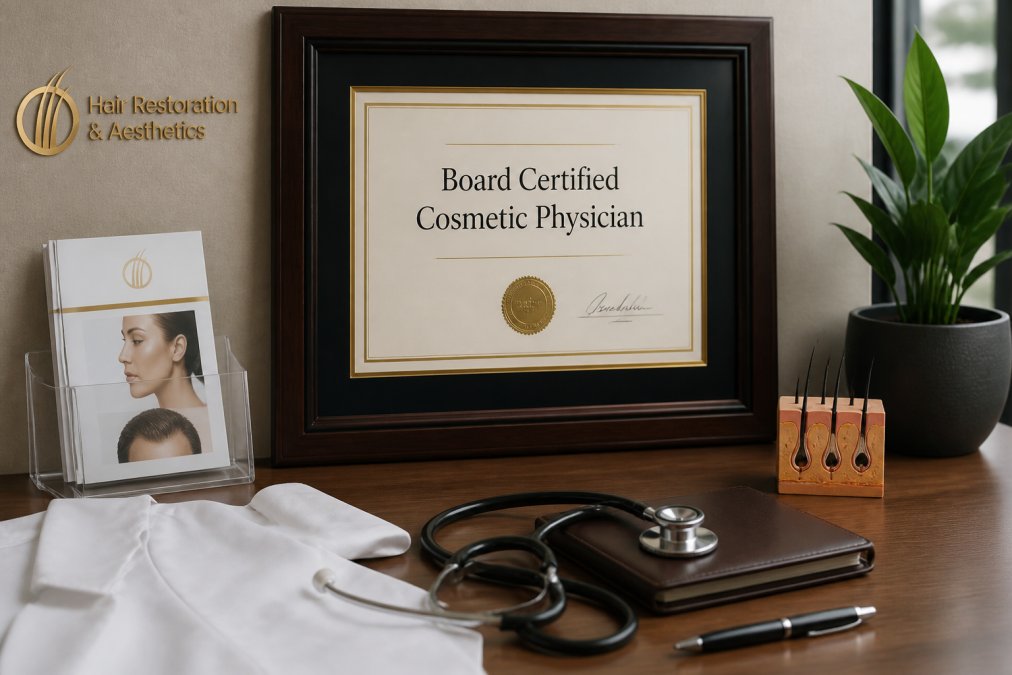
A board certified cosmetic physician has completed rigorous medical training, passed comprehensive examinations, and maintains ongoing education requirements set by recognized medical boards. This credential distinguishes them from practitioners who may perform aesthetic procedures without formal board certification.
The distinction matters because board certification requires documented clinical experience, peer review, and demonstrated competency in specific procedures. A board certified cosmetic physician typically completes medical school, residency training in their specialty, and additional fellowship or focused training in aesthetic procedures (abms.org). They're accountable to their medical board and subject to peer review, continuing education mandates, and ethical standards that protect patients.
At Hair Restoration Clinic of Granite Bay, board certification represents a commitment to excellence and patient safety. Dr. Piyush Kumar's board certification, combined with over a decade of clinical experience, ensures that every patient receives care from a physician who has met stringent credentialing standards and maintains expertise through ongoing professional development.
Non-certified practitioners may offer aesthetic services, but they lack the same accountability structure and formal training oversight. This difference directly impacts patient safety, procedural outcomes, and your recourse if complications arise. When you choose a board certified cosmetic physician, you're selecting someone bound by medical ethics codes, malpractice insurance requirements, and state medical board oversight.
Benefits of Board Certified Hair Surgeons and Aesthetic Specialists
Board certified physicians specializing in hair restoration bring surgical precision and medical knowledge to a field where technique directly determines results. Hair surgery demands understanding of hair growth cycles, scalp anatomy, graft survival rates, and the physiological factors that influence outcomes (peer-reviewed research).
A board certified hair surgeon understands the biological principles underlying hair loss, whether androgenetic alopecia, telogen effluvium, or other conditions, and can design treatment plans accordingly (the American Academy of Dermatology). This medical foundation allows them to combine surgical techniques like follicular unit extraction with complementary treatments such as prescription therapies or non-invasive technologies like Alma TED acoustic sound wave therapy.
The aesthetic specialist credential indicates training in facial proportion, symmetry, and the three-dimensional outcomes that create natural-looking results. When a physician understands both the medical science and the aesthetic principles, they avoid the common pitfall of technically correct procedures that look obviously done.
Board certified aesthetic specialists also manage complications with medical expertise. If a patient experiences an adverse reaction, infection, or unexpected outcome, a board certified physician can address it within a medical framework rather than referring you elsewhere or leaving you without recourse.
Hair Restoration Clinic of Granite Bay combines board certification with industry-leading technology like the Cole follicular unit extraction system and Alma TED therapy. This pairing of formal credentials and advanced tools produces natural-looking hair restoration that doesn't advertise itself as surgical.
How to Verify Medical Board Certification
Verifying board certification is straightforward and essential before scheduling any procedure. The American Board of Medical Specialties (ABMS) maintains a searchable database where you can confirm a physician's certification status, specialty, and whether their certification is current.
Visit the ABMS website and search by physician name. Legitimate board certification will show the specialty (e.g., dermatology, plastic surgery, otolaryngology), the certifying board, and the certification year. Current certification means the physician has met recertification requirements and maintains active standing.
Some physicians claim "board eligible" status, meaning they've completed training but haven't yet passed the certification exam or haven't maintained recertification. This is different from board certified. Ask directly: "Are you currently board certified, or board eligible?" A board certified physician will provide their board name and certification number without hesitation.
State medical boards also maintain public records. You can search your state's medical board website (typically through your state's Department of Consumer Affairs or Health Department) to verify licensure, check for disciplinary actions, and confirm the physician's credentials match what they claim.
For Hair Restoration Clinic of Granite Bay, Dr. Piyush Kumar's board certification and credentials are verifiable through standard medical board databases. This transparency reflects the clinic's commitment to patient confidence and professional accountability.
Red flags include vague credential claims ("certified in aesthetic medicine" without naming the certifying body), reluctance to provide verification information, or credentials that don't match their advertised specialty.
Questions to Ask a Cosmetic Physician During Consultation
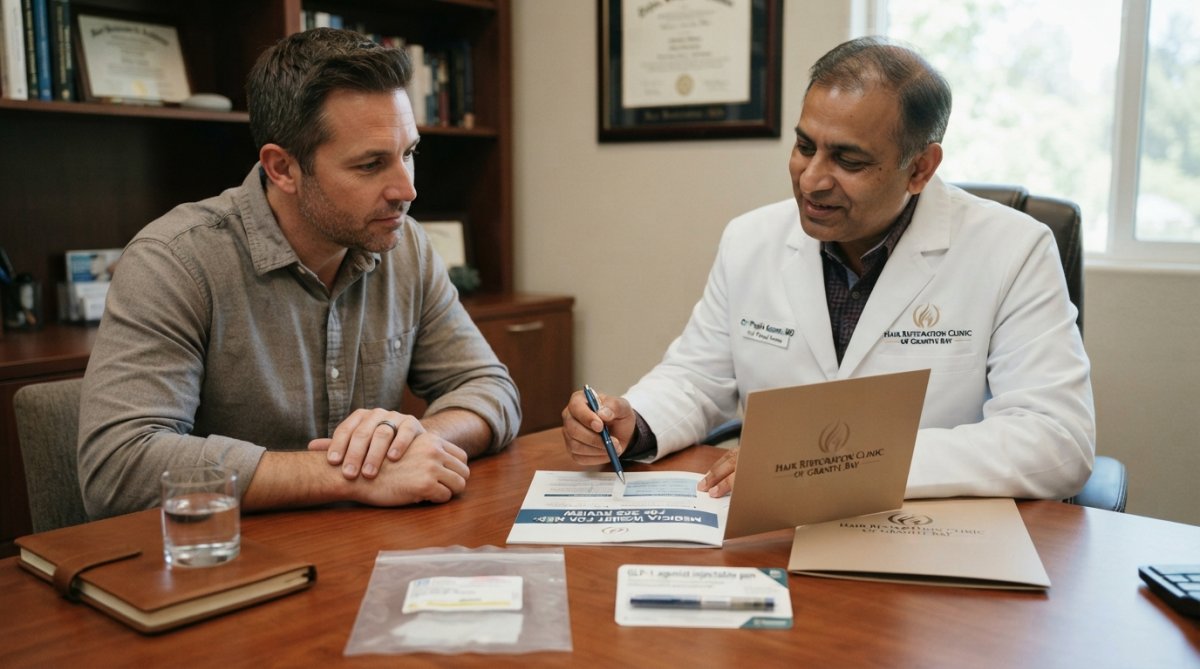
Your consultation is the opportunity to assess a physician's expertise, communication style, and whether they understand your specific goals. Come prepared with questions that reveal their experience and approach.
Start with experience-specific questions: "How many of this exact procedure have you personally performed?" A physician comfortable with their experience will give you a specific number. Ask about their complication rates and how they manage adverse outcomes. This reveals whether they have systems in place for patient safety and whether they view complications as learning opportunities or problems to hide.
Ask about before-and-after results: "Do you have before-and-after photos from patients with similar concerns to mine?" Legitimate physicians have documented results. Review these photos critically, do the results look natural for the patient's age and features, or do they look overdone? Natural results are the hallmark of skilled aesthetic work.
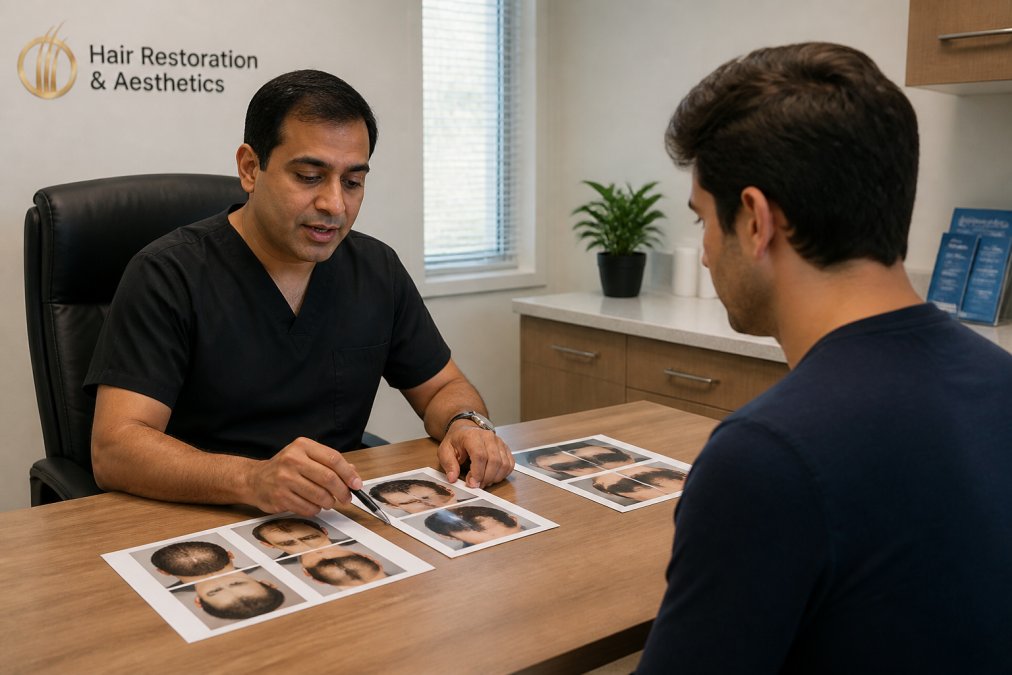
Inquire about your specific recovery timeline: "What's the realistic downtime for my situation, and when can I return to normal activities?" Recovery varies by procedure and individual factors. A physician who gives vague answers ("a few days" or "depends") rather than specific timelines hasn't thought through your case.
Ask about alternatives: "What non-surgical options might address my concerns, and why do you recommend surgery over them?" A physician who only recommends invasive procedures may not have your best interests in mind. The best physicians present the full spectrum of options and explain why one approach suits you better than others.
Discuss your aesthetic goals directly: "What do you think I should realistically expect, and do you think this procedure will achieve what I want?" This reveals whether the physician listens and has realistic expectations. If they promise perfection or seem dismissive of your concerns, that's a warning sign.
Ask about their training and ongoing education: "What additional training have you pursued in this specific procedure?" Board certification is foundational, but specialized training in particular techniques (like specific hair transplant methods or facial rejuvenation approaches) indicates deeper expertise.
Finally, assess your comfort level: "Do I feel heard and understood?" The best procedure in the world produces poor results if the physician misunderstands your goals. Trust your instinct about whether this person will advocate for you.
Common Cosmetic Procedures: What Board Certified Physicians Offer
Board certified cosmetic physicians offer a range of surgical and non-surgical procedures, each with specific indications and outcomes. Understanding what's available helps you evaluate whether a particular clinic matches your needs.
Hair restoration procedures include follicular unit extraction (FUE), which harvests individual hair grafts and reimplants them in areas of thinning or baldness. The Cole follicular unit extraction system, used at Hair Restoration Clinic of Granite Bay, represents an industry-leading approach to this procedure, minimizing tissue damage and producing natural-looking results.
Schedule a Free Consultation →
Complementary hair health treatments address the underlying factors contributing to hair loss. These include prescription therapies targeting DHT (dihydrotestosterone), the hormone implicated in pattern baldness, and non-invasive options like Alma TED acoustic sound wave therapy, which stimulates hair follicles without surgery.
Facial rejuvenation encompasses procedures like facelifts, brow lifts, and eyelid surgery, as well as non-surgical treatments including neurotoxins and dermal fillers. Board certified physicians understand facial anatomy and proportion, allowing them to create results that look refreshed rather than pulled or unnatural.
Body contouring procedures address areas resistant to diet and exercise. These include liposuction for precise fat removal and body lift procedures for skin tightening after significant weight loss. The key to natural-looking results is understanding how the body's proportions change with fat removal and skin adjustment.
Non-invasive treatments like chemical peels, laser resurfacing, and microneedling address skin texture, tone, and minor imperfections. Many patients benefit from combining non-invasive treatments with surgical procedures for comprehensive results.
The best board certified physicians assess your concerns holistically and recommend the combination of procedures and treatments most likely to achieve your goals. This might mean combining hair restoration with prescription therapy, or pairing facial surgery with non-surgical skin rejuvenation.
Patient Safety and Recovery Standards
Patient safety begins before the procedure, with thorough medical evaluation and informed consent. A board certified cosmetic physician will review your medical history, current medications, and any conditions that might affect your safety or recovery. They'll discuss realistic risks specific to your situation, not generic disclaimers, but actual risks based on your health profile.
Informed consent means understanding not just what the procedure involves, but what could go wrong, how complications are managed, and what your recovery will realistically look like. A physician who rushes through consent or minimizes risks isn't protecting you adequately.
Facility standards matter significantly. Procedures should occur in accredited surgical facilities with proper anesthesia monitoring, sterile technique, and emergency equipment. Ask whether the facility is accredited and whether it has protocols for managing complications.
Recovery timelines vary by procedure. Hair restoration typically involves initial healing within two weeks but full results taking several months as transplanted grafts establish blood supply and enter the growth cycle. Facial procedures may require one to three weeks of visible recovery, with full results appearing over months as swelling resolves and tissues settle.
Non-invasive procedures like Alma TED therapy generally involve minimal downtime, some patients return to normal activities immediately, though mild redness or sensitivity may occur temporarily.
A board certified physician provides detailed post-operative instructions and scheduled follow-up appointments to monitor your healing. They're available if complications arise and have protocols for addressing them. This continuity of care is a hallmark of professional practice.
Choosing the Right Board Certified Cosmetic Physician for Your Goals
Selecting a board certified cosmetic physician requires evaluating credentials, experience, communication style, and alignment with your aesthetic goals. Start by confirming board certification through official medical board databases, then assess their specific experience with procedures relevant to your concerns.
Review before-and-after results carefully. Do the outcomes look natural for the patients' ages and features? Are results consistent across multiple patients, or do some look overdone while others look subtle? Consistency suggests skill and a clear aesthetic philosophy.
Consider the physician's approach to technology and techniques. Industry-leading tools like the Cole follicular unit extraction system or Alma TED therapy indicate investment in advanced methods that typically produce superior results. However, technology alone doesn't guarantee outcomes, the physician's skill and judgment matter equally.
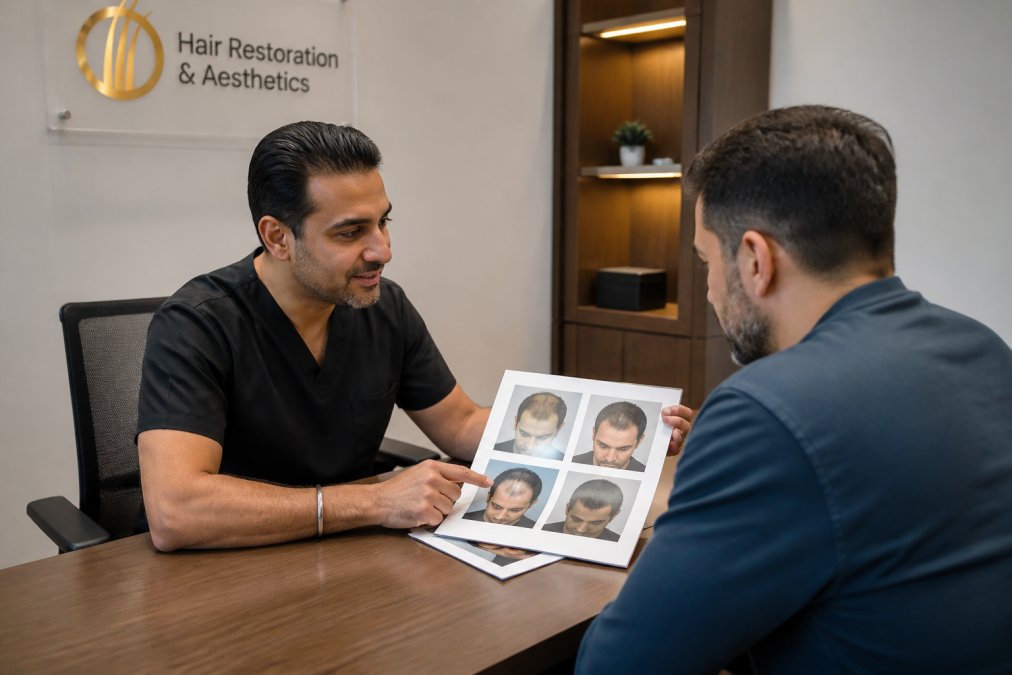
Evaluate communication during your consultation. The right physician listens to your goals, explains options clearly, and manages expectations realistically. They should discuss not just what they can do, but what you should realistically expect and why one approach suits you better than alternatives.
Ask about their patient population and experience with cases similar to yours. A physician with extensive experience in your specific concern, whether hair restoration, facial rejuvenation, or body contouring, brings refined judgment and troubleshooting skills that less-experienced practitioners lack.
Consider logistics and continuity of care. Can you attend follow-up appointments easily? Will the same physician perform your procedure and manage your recovery? Continuity ensures consistent care and accountability.
Hair Restoration Clinic of Granite Bay combines board-certified expertise under Dr. Piyush Kumar with industry-leading technologies and a comprehensive approach to hair health and aesthetic restoration. The clinic's focus on natural-looking results, combined with over a decade of clinical experience, reflects the standard you should expect from a board certified cosmetic physician.
Trust your instinct about whether this physician understands your goals and will advocate for your best interests. The right choice feels collaborative and reassuring, not pressured or dismissive of your concerns.
Finding a board certified cosmetic physician who combines rigorous credentials with genuine expertise requires careful evaluation, but the investment pays dividends in safety, outcomes, and peace of mind. Hair Restoration Clinic of Granite Bay exemplifies this standard through Dr. Piyush Kumar's board certification, over a decade of clinical experience, and commitment to natural-looking results using advanced technologies like the Cole follicular unit extraction system and Alma TED therapy. When you're ready to explore your options, schedule a free consultation to discuss your goals with a board certified physician who prioritizes your safety and aesthetic vision.
Frequently Asked Questions
What is the difference between a board certified cosmetic physician and a board certified plastic surgeon?
A board certified plastic surgeon completes surgical residency and passes rigorous exams through the American Board of Plastic Surgery. A board certified cosmetic physician may have different training pathways but still maintains certification in their specialty area. Both should hold valid board certification from recognized medical boards. When choosing a board certified cosmetic physician, verify they hold certification in their specific field, whether that's dermatology, plastic surgery, or another medical specialty, through the American Board of Medical Specialties (ABMS) or equivalent recognized body.
How can I verify a physician's board certification status?
Visit the American Board of Medical Specialties (ABMS) website or the specific board's website (American Board of Plastic Surgery, American Board of Dermatology, etc.). Enter the physician's name to confirm active certification. You can also ask the clinic directly for their board certification credentials and request to see documentation. Legitimate practices display their certifications prominently and welcome verification questions. Never assume credentials based on marketing materials alone, always verify independently.
What should I look for during a cosmetic consultation?
Evaluate whether the physician listens carefully to your goals and concerns, explains realistic outcomes, and discusses potential risks honestly. A qualified board certified cosmetic physician will review your medical history, examine your specific needs, and provide a personalized treatment plan rather than a one-size-fits-all approach. They should show before-and-after photos from actual patients, explain the technology or techniques they use, and give you time to ask questions without pressure to book immediately. Trust your instinct about whether you feel heard and respected.
Why does experience matter when choosing a board certified cosmetic physician?
A physician with over a decade of experience has performed hundreds or thousands of procedures, refined their technique, and learned how to handle variations in patient anatomy and healing. Experience translates to better aesthetic outcomes, fewer complications, and more realistic expectations. Board certification alone proves training and knowledge; experience proves consistent skill in real-world practice. When evaluating physicians, ask how many procedures they've performed annually and request to see results from patients with similar goals to yours.
This article was written using GrandRanker