 ultimate-guide
Benefits of Follicular Unit Extraction Explained
Table of Contents
- What Is Follicular Unit Extraction?
- Key Benefits of Follicular Unit Extraction
- FUE vs FUT Hair Transplant: How They Compare
- FUE Hair Transplant Recovery Time: What to Expect
- Is FUE Hair Transplant Permanent? Long-Term Results and Maintenance
- FUE Variations: Robotic vs. Manual Extraction
- Who Is a Good Candidate for FUE?
- FUE vs. Alternative Hair Loss Treatments: A Cost-Benefit View
Last Updated: August 19, 2026
What Is Follicular Unit Extraction?
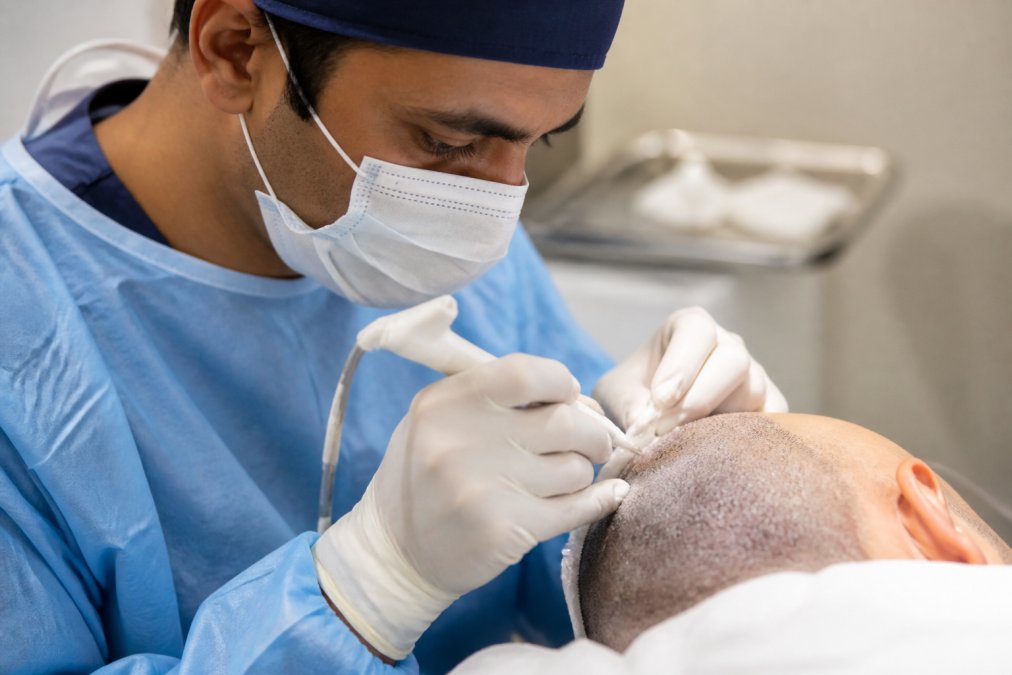
Follicular unit extraction is a minimally invasive hair transplantation technique in which individual hair follicles are removed directly from the donor zone, typically the back and sides of the scalp, using a specialized punch excision tool, then implanted into thinning or balding areas. Unlike older strip-harvesting methods, FUE leaves no linear scar and requires no scalpel incisions in the traditional sense.
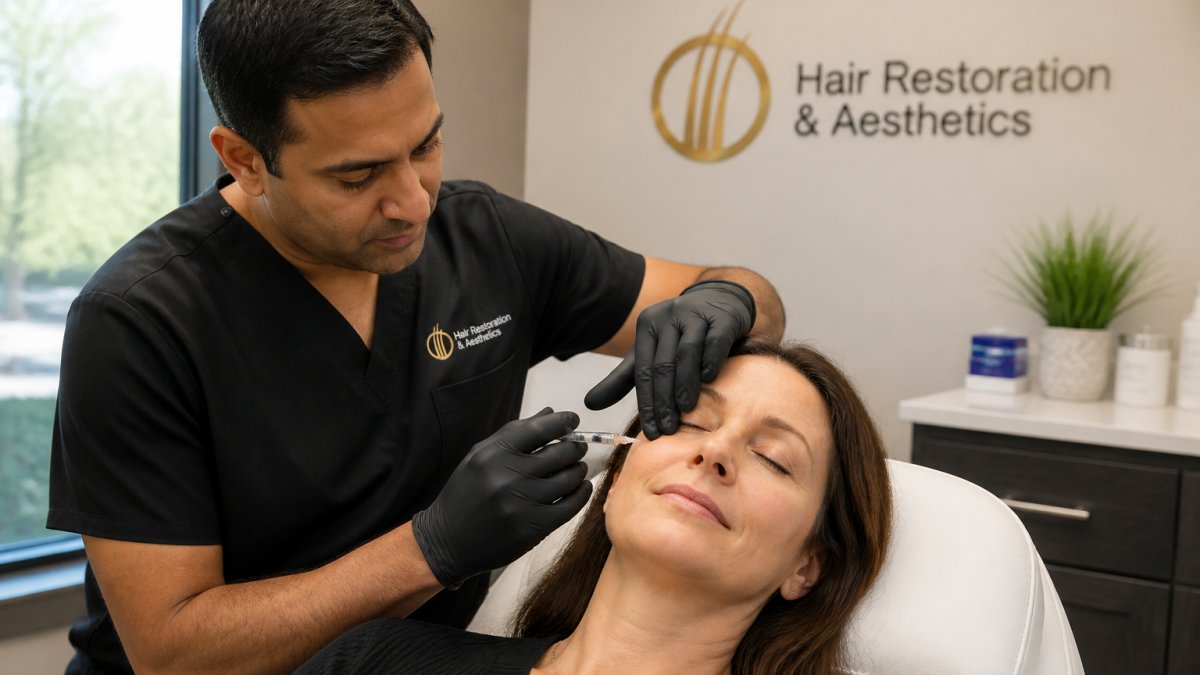
At Hair Restoration Clinic of Granite Bay, follicular unit extraction is performed by board-certified physician Dr. Piyush Kumar, who brings over a decade of experience to every procedure. The clinic uses the industry-leading Cole follicular unit extraction system, which allows for precise graft harvesting with minimal trauma to surrounding tissue.
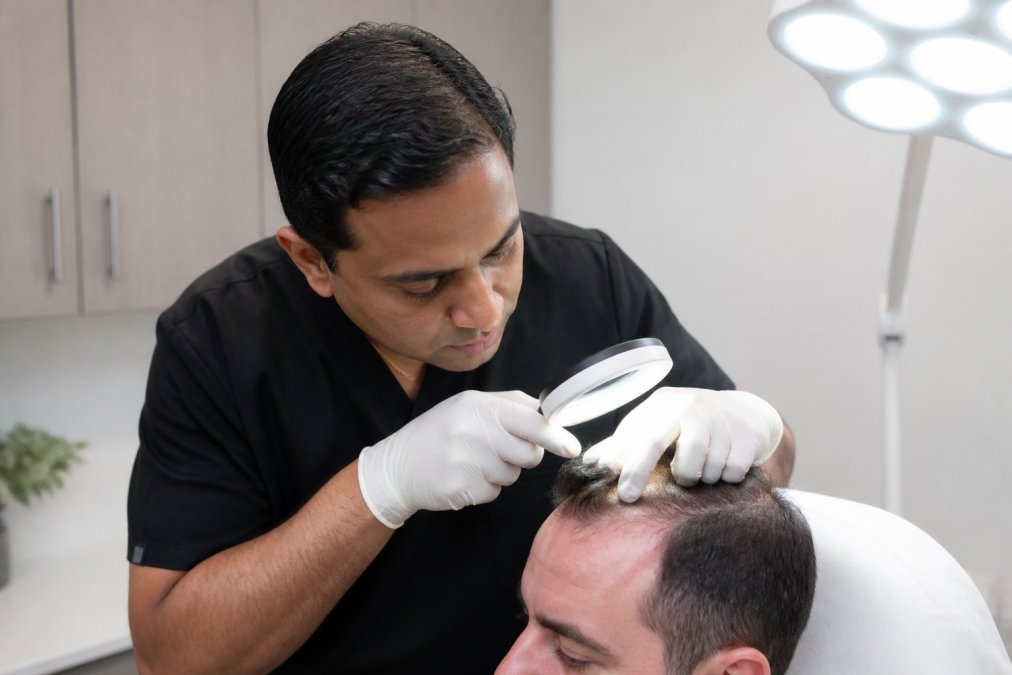
Each follicular unit contains one to four hairs, and the surgeon selects grafts strategically to maintain donor zone density while maximizing coverage in the recipient area. Local anesthesia is applied before extraction begins, so procedural discomfort is typically well-managed. What makes FUE stand apart is its versatility: it suits patients who want to wear their hair short, those with limited scalp elasticity who aren't candidates for strip surgery, and anyone who wants a faster return to normal activity. The result, when performed correctly, is a natural-looking hairline that integrates seamlessly with existing hair.
Key Benefits of Follicular Unit Extraction
Minimal Scarring and a Cleaner Donor Zone
The most significant structural advantage of follicular unit extraction over strip-based methods is scarring. FUE leaves only tiny circular marks at each extraction site, typically less than 1 millimeter in diameter, that fade considerably over healing. These micro-incisions are distributed across the donor zone rather than concentrated in a single linear scar.
For patients who want to keep their hair short on the sides, this distinction is decisive. A linear scar from strip harvesting is visible at shorter hair lengths. FUE donor zone healing is largely undetectable once the scalp has recovered. Small scabs form at each extraction point and resolve on their own as part of the healing process. The absence of surgical scars requiring sutures also removes post-operative restrictions.
Natural-Looking Hairline and Hair Density
Graft placement is where the artistry of follicular unit extraction lives. Skilled surgeons angle each follicle to match the natural direction of hair growth, creating a hairline that doesn't look implanted. Single-follicle grafts are placed at the hairline edge, while multi-follicle units fill in behind them, replicating the density gradient found in natural hair.
Hair density in the recipient area improves progressively over 12 to 18 months as transplanted follicles move through the hair growth cycle. Shedding of transplanted hairs in the first few weeks is normal and expected, the follicle resets before entering a new growth phase.
Psychological Impact and Patient Satisfaction
Hair loss carries a psychological weight that clinical descriptions rarely capture. The decision to pursue hair restoration is often tied to a desire to feel like themselves again. Patient satisfaction following follicular unit extraction tends to be high among well-selected candidates with realistic expectations. The combination of a natural-looking result and minimal visible evidence of the procedure contributes to this outcome.
According to the International Society of Hair Restoration Surgery's patient experience research, patient satisfaction in hair restoration is closely linked to the naturalness of the result and the quality of the pre-procedure consultation. FUE does not halt ongoing hair loss in non-transplanted areas, so patients with progressive alopecia may need combination approaches, including medical treatments, to maintain their overall result over time.
FUE vs FUT Hair Transplant: How They Compare
The FUE vs FUT hair transplant debate comes down to one core trade-off: scar profile versus graft yield per session.
Follicular Unit Transplantation (FUT) involves removing a strip of scalp from the donor zone, dissecting it into individual grafts under a microscope, and implanting those grafts into the recipient area. This method yields a higher number of grafts in a single session with strong follicle survival rates. The trade-off is a linear scar at the back of the scalp that is permanent and visible at shorter hair lengths.
Follicular unit extraction harvests grafts individually. Sessions may be split across two days for larger procedures. Graft survival rates depend heavily on the extraction technique and how grafts are handled, which is why the surgeon's experience and tools used matter significantly.
Factor | FUE | FUT |
|---|---|---|
Scarring | Tiny circular marks, widely distributed | Single linear scar at donor site |
Recovery time | Generally shorter | Longer; suture removal required |
Graft yield per session | Moderate to high | High in single session |
Hair length flexibility | Wear hair short | Linear scar visible at short lengths |
Candidacy | Broader; suits low scalp elasticity | Requires adequate scalp laxity |
Best for | Patients prioritizing scar minimization | Patients needing maximum grafts in one session |
Neither method is universally superior. The right choice depends on the extent of hair loss, scalp characteristics, lifestyle, and how the patient wears their hair. A thorough consultation with a qualified physician is the only way to determine which approach fits a specific patient's anatomy and goals.
FUE Hair Transplant Recovery Time: What to Expect
FUE hair transplant recovery time is generally faster than strip-based procedures, with most patients returning to desk work within a few days and resuming normal activity within two weeks.
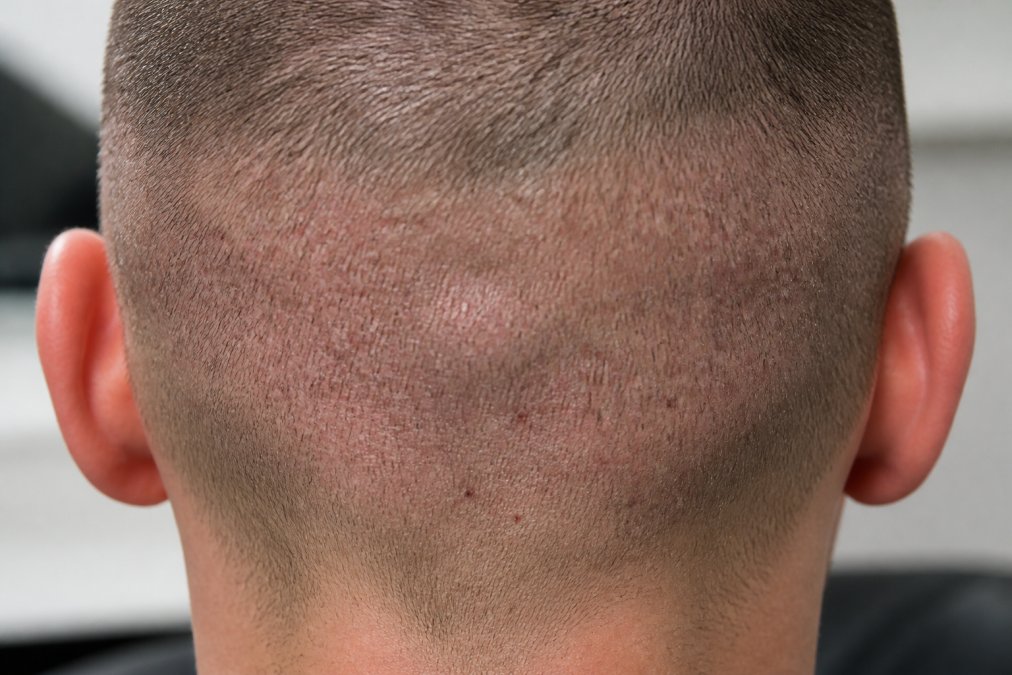
Here's a realistic breakdown of the recovery timeline:
- Days 1-3: Scalp tenderness, minor swelling, and small scabs at extraction and implantation sites. Sleeping with the head elevated is typically recommended. Avoid strenuous activity and direct sun exposure.
- Days 4-7: Scabs begin to loosen. Most patients can return to light work. Gentle scalp washing is usually introduced during this window, following the surgeon's specific protocol.
- Weeks 2-4: Most visible signs of the procedure have resolved. Transplanted hairs begin to shed, this is normal and not a sign of failure.
- Months 3-6: New hair growth begins to emerge from the transplanted follicles. Growth is gradual and uneven at first.
- Months 12-18: Full cosmetic outcome is visible as transplanted hairs mature and thicken through successive growth cycles.
Post-procedural discomfort is typically manageable with over-the-counter pain relief during the first few days. Infection risk is low when post-operative care instructions are followed, but any signs of unusual redness, swelling, or discharge should be reported to the treating physician promptly.
Is FUE Hair Transplant Permanent? Long-Term Results and Maintenance
FUE hair transplant results are considered permanent in the transplanted area because the harvested follicles come from the donor zone, a region genetically resistant to the hormone DHT, which drives pattern hair loss. Once these follicles are transplanted, they retain their DHT-resistant characteristics in their new location.
However, the transplanted hair is permanent while the native hair surrounding it is not protected. Patients with ongoing alopecia will continue to lose non-transplanted hair over time, which can create a contrast between the restored area and newly thinning zones if not managed proactively.
Long-term maintenance typically involves:
Schedule a Free Consultation →
- Medical treatments: Prescription options such as finasteride or minoxidil are commonly used to slow the progression of hair loss in non-transplanted areas.
- Post-transplant hair care: Gentle shampoos, UV protection for the scalp, and avoiding harsh chemical treatments support follicle survival and long-term health.
- Follow-up assessments: Regular check-ins with the treating physician allow for early identification of ongoing hair thinning that may benefit from additional treatment.
According to the American Academy of Dermatology's guidance on hair loss treatments, combining surgical restoration with ongoing medical management produces the most durable long-term outcomes for patients with androgenetic alopecia.
FUE Variations: Robotic vs. Manual Extraction
Not all follicular unit extraction procedures are the same. The extraction method and tools used affect graft quality, follicle survival rate, and donor zone management.
Manual FUE relies on the surgeon's skill to select, score, and extract each follicular unit. An experienced surgeon using a high-quality punch instrument can achieve excellent transection rates, meaning fewer follicles are damaged during extraction. The Cole FUE system used at Hair Restoration Clinic of Granite Bay falls into this category, offering refined punch geometry designed to minimize trauma to the follicle.
Robotic FUE uses automated imaging and mechanical extraction to identify and remove follicular units. The advantage is consistency in extraction angle and depth. The limitation is that robotic systems can struggle with curly or fine hair textures and require the patient to remain still for extended periods.
The honest comparison: robotic extraction is not inherently superior to skilled manual extraction. The quality of the outcome depends more on the physician's judgment in graft selection, recipient site creation, and hairline design than on whether a machine or human hand performed the punch excision. As documented in research published by the International Society of Hair Restoration Surgery on extraction techniques, transection rates in experienced manual FUE surgeons are comparable to those achieved with robotic assistance.
Who Is a Good Candidate for FUE?
Patient candidacy for follicular unit extraction is determined by several factors that a qualified physician evaluates during consultation.
Strong candidates typically include:
- Adults with stable pattern hair loss who have sufficient donor zone density
- Patients who prefer to wear their hair short and want to avoid a visible linear scar
- Individuals with limited scalp elasticity who are not suitable for strip-based harvesting
- Patients seeking smaller, targeted procedures, eyebrow restoration, beard grafting, or scar camouflage
Candidacy concerns that require careful evaluation:
- Very advanced hair loss with a depleted donor zone may limit the number of grafts available
- Active scalp conditions may need to be addressed before surgery
- Patients with unrealistic expectations about coverage or density may not achieve the outcome they envision
- Certain medical conditions and medications affect candidacy and must be disclosed during consultation
Hair loss in younger patients requires particular consideration. Pattern baldness often progresses over decades, and a transplant performed too early may require additional procedures later. An experienced physician will factor projected progression into the treatment plan.
FUE vs. Alternative Hair Loss Treatments: A Cost-Benefit View
Follicular unit extraction sits at one end of a spectrum of hair loss treatments. Understanding where it fits helps patients make genuinely informed decisions.
Treatment | Permanence | Invasiveness | Best Suited For |
|---|---|---|---|
FUE hair transplant | Permanent (transplanted hair) | Minimally invasive surgical | Moderate to advanced hair loss, stable donor zone |
Alma TED acoustic therapy | Non-permanent; ongoing | Non-invasive | Early hair thinning, scalp health support |
Minoxidil (topical) | Non-permanent; ongoing | Non-invasive | Mild to moderate loss, maintenance |
Finasteride (oral) | Non-permanent; ongoing | Non-invasive (oral medication) | Male pattern baldness, slowing progression |
PRP therapy | Non-permanent; periodic | Minimally invasive | Early loss, post-transplant support |
The cost-benefit calculus for FUE versus non-surgical options depends on the severity of hair loss and the patient's goals. Non-surgical treatments such as Alma TED acoustic sound wave therapy, available at Hair Restoration Clinic of Granite Bay, are well-suited for patients in early stages of thinning. FUE represents a higher upfront investment with a permanent structural outcome. For patients with established hair loss who want a definitive, long-lasting result, the long-term value proposition of a single well-executed transplant often outweighs years of ongoing treatment costs.
According to the American Hair Loss Association's overview of treatment options, combination approaches, pairing surgical restoration with medical management, tend to produce the most comprehensive results for those with progressive alopecia.
The real question isn't which treatment costs less. It's which treatment matches the patient's hair loss stage, anatomy, lifestyle, and long-term goals. That determination belongs in a consultation with a physician who has examined the scalp in person and can project how the condition is likely to evolve.
Hair loss decisions carry real weight, and the difference between a result that looks natural and one that doesn't comes down to the experience and precision of the physician performing the procedure. At Hair Restoration Clinic of Granite Bay, Dr. Piyush Kumar brings over a decade of board-certified expertise to every follicular unit extraction consultation, using the Cole FUE system and a patient-first approach to treatment planning. Schedule a free consultation and get a clear, honest assessment of your candidacy, your options, and what realistic results look like for your specific pattern of loss.
Frequently Asked Questions
What are the disadvantages of follicular unit extraction?
FUE is generally more time-intensive than strip-based methods, which can make procedures involving large graft counts longer. The cost is typically higher as well, reflecting the surgical precision required. There is also a learning curve for physicians: results depend heavily on the surgeon's technique and experience with punch excision. Patients with very fine or curly hair may face additional complexity during graft harvesting. A thorough consultation with a qualified physician will clarify whether FUE is the right fit for your hair loss pattern and goals.
Is there visible scarring after a follicular unit extraction procedure?
FUE leaves tiny circular marks at each extraction site in the donor zone rather than a single linear scar. These micro-incisions typically heal to small, dot-like marks that are difficult to detect even with short hairstyles. Scarring visibility depends on factors like skin tone, healing response, and the physician's technique. Most patients find they can wear their hair cropped short without the donor area drawing attention, which is one of the most frequently cited benefits of follicular unit extraction over older strip methods.
How long is the recovery period following follicular unit extraction?
Most patients return to desk work within two to five days. The scalp tenderness and minor swelling that follow the procedure typically resolve within one to two weeks. Strenuous exercise and activities that raise blood pressure to the scalp are usually restricted for two to four weeks. Transplanted hair follicles shed in the first few weeks — this is normal. Visible new growth generally begins around three to four months post-procedure, with the full cosmetic outcome taking nine to twelve months to develop fully.
Does follicular unit extraction provide permanent hair restoration results?
Hair follicles transplanted during FUE are typically harvested from the permanent zone at the back and sides of the scalp, areas genetically resistant to the hormone DHT that drives pattern baldness. Because these follicles retain their original characteristics after graft placement, the restored hair generally continues to grow long-term. However, FUE does not stop ongoing hair loss in untreated areas. Many patients combine their transplant with medical treatments to preserve existing hair density and protect the overall cosmetic outcome over time.
This article was written using GrandRanker