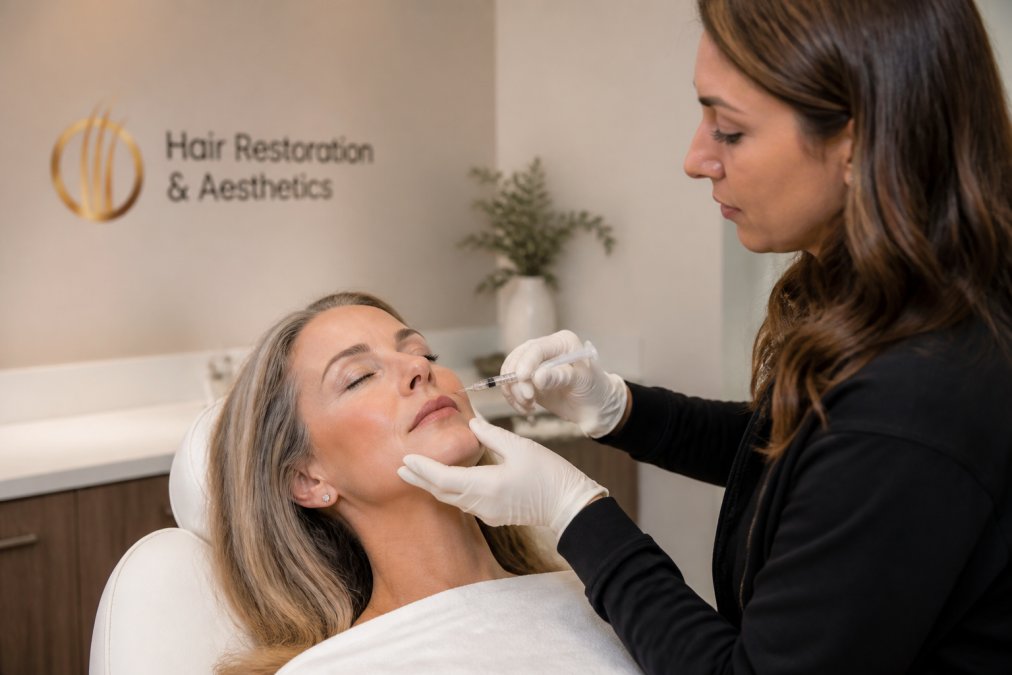
 ultimate-guide
Non-Surgical Facial Rejuvenation for Wrinkles: A 2026 Guide
Table of Contents
- What Is Non-Surgical Facial Rejuvenation?
- Understanding Dynamic vs. Static Wrinkles
- Benefits of Neurotoxins for Facial Aging
- How Long Do Dermal Fillers Last?
- Laser Skin Rejuvenation for Texture and Fine Lines
- PDO Thread Lift Recovery Time and Results
- Choosing Your Non-Surgical Facial Rejuvenation Treatment
- Combination Therapy Protocols for Maximum Results
- Frequently Asked Questions
Last Updated: August 31, 2026
What Is Non-Surgical Facial Rejuvenation?
Non-surgical facial rejuvenation is a collection of minimally invasive treatments designed to reduce wrinkles, restore volume, and improve skin texture without requiring anesthesia or incisions. These procedures stimulate collagen production, relax facial muscles, or add volume beneath the skin's surface to counteract aging effects.
The appeal is straightforward: meaningful aesthetic results without the recovery time, expense, or risks of surgery. Most patients return to normal activities immediately or within days. Treatments fall into three main categories: neuromodulators that relax dynamic wrinkles, dermal fillers that restore lost volume, and laser or energy-based therapies that improve skin quality and tighten laxity.
At Hair Restoration Clinic of Granite Bay, we offer neurotoxins like Botox, Dysport, and Xeomin, dermal fillers, PDO thread lifts, laser skin rejuvenation, laser facials, and microneedling. Each addresses specific concerns, expression lines, nasolabial folds, age spots, or texture, and many patients benefit most from combining approaches.
Understanding Dynamic vs. Static Wrinkles
Dynamic wrinkles form from repeated facial expressions over decades. When you smile, frown, or raise your eyebrows, underlying muscles contract and create lines that eventually become permanent, visible even at rest.
Static wrinkles are present whether your face is moving or still. They result from sun damage, loss of collagen and elastin, gravity, and natural skin breakdown with age. Nasolabial folds, marionette lines, and deep forehead creases often fall into this category.
This distinction matters because different treatments target different wrinkle types. Neuromodulators like Botox work by blocking nerve signals that cause muscle contraction, making them ideal for dynamic wrinkles like crow's feet and forehead lines. Static wrinkles respond better to dermal fillers, which add volume, or to laser and radiofrequency treatments that stimulate collagen remodeling.
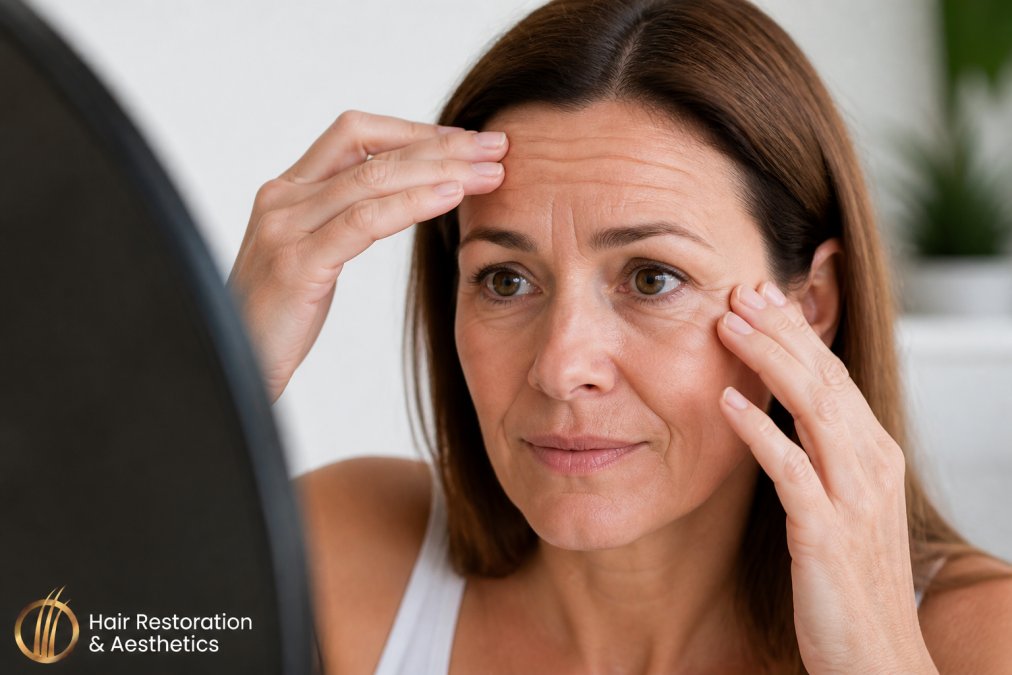
Many patients have both types simultaneously. A comprehensive strategy addresses both: neuromodulators for dynamic wrinkles, fillers or laser therapy for static wrinkles, and often microneedling or fractional laser to improve overall skin texture.
Benefits of Neurotoxins for Facial Aging
Neurotoxins, primarily botulinum toxin formulations like Botox, Dysport, and Xeomin, remain the gold standard for preventing and softening dynamic wrinkles. They work by interrupting the signal between nerve and muscle, reducing the intensity of facial expressions without eliminating them.
When used preventatively, neurotoxins slow the formation of new wrinkles. Patients who start treatment in their 30s or early 40s often maintain smoother skin longer than those who wait until deep lines have formed. The treatment also provides a subtle brow lift and softens a heavy appearance around the eyes.
Results typically appear within 3 to 7 days, with full effects visible around two weeks (the FDA). The procedure takes 10 to 15 minutes with minimal discomfort, most describe it as a slight pinch, and no downtime. You can return to work, exercise, or social plans immediately.
Common treatment areas include the forehead, glabella (vertical lines between the brows), and crow's feet. Some patients also use neuromodulators around the mouth to soften perioral lines.
Results require maintenance. Most patients need retreatment every 3 to 4 months to maintain effects, making neurotoxins best for people committed to consistent treatment.
How Long Do Dermal Fillers Last?
Dermal fillers restore volume to areas where fat and collagen have diminished with age. They're injected into the dermis and subcutaneous layers to plump fine lines, enhance lips, restore cheekbone definition, or soften nasolabial folds and marionette lines.
Longevity depends on filler type. Hyaluronic acid fillers, the most common, typically last 6 to 12 months and are gradually metabolized by the body (peer-reviewed research). Patients usually schedule touch-ups twice yearly to maintain results. Thicker, more cohesive fillers designed for deep volume may last 12 to 18 months. PDO threads provide a different mechanism, they physically support sagging skin while stimulating collagen, and results can last 12 to 18 months depending on technique and patient metabolism.
Placement matters too. Fillers in high-movement areas (around the mouth) break down faster than those in static areas (cheekbones). Metabolism varies by individual; younger patients with faster metabolisms may see fillers break down more quickly.
Repeated filler treatments over years often extend longevity because the filler stimulates the body's own collagen production, creating a cumulative effect. Someone receiving fillers consistently for five years may see results last longer than someone receiving their first treatment.
Laser Skin Rejuvenation for Texture and Fine Lines
Laser and light-based therapies address skin quality in ways injectables cannot. Fractional laser, intense pulsed light (IPL), and radiofrequency devices stimulate collagen remodeling, reduce pigmentation irregularities, and tighten skin through controlled thermal injury and the body's natural healing response.
Fractional lasers are particularly effective for fine lines, age spots, and overall texture. They create microscopic columns of thermal injury, triggering collagen induction and epidermal renewal. Non-ablative fractional lasers preserve the outer skin layer, minimizing downtime. Ablative fractional lasers remove the epidermis and produce more dramatic results but require several days of visible healing.
IPL treatments target pigmentation and redness, ideal for sun-damaged skin and age spots. Radiofrequency devices heat deeper dermal layers, stimulating collagen remodeling and skin tightening, and work well for mild to moderate skin laxity.
Most patients require 3 to 6 sessions spaced 4 to 6 weeks apart for optimal results (peer-reviewed research). Results continue improving for months after the final treatment as collagen remodeling progresses. Maintenance treatments once or twice yearly help sustain results.
Downtime varies by device and intensity. Non-ablative fractional laser may cause mild redness for hours to a day. Ablative fractional laser requires 5 to 10 days of visible healing. IPL typically causes minimal downtime.
PDO Thread Lift Recovery Time and Results
PDO thread lifts use absorbable threads to physically support sagging skin while stimulating collagen production. Threads are inserted under the skin using a needle or cannula, then gently lifted to reposition tissue and create subtle definition.
The procedure takes 30 to 60 minutes depending on the treatment area and number of threads. Local anesthesia minimizes discomfort. Most patients experience mild soreness, slight swelling, and minor bruising for the first few days, comparable to dermal filler recovery.
Results appear immediately from the physical lift, but the real benefit develops over 4 to 8 weeks as threads trigger collagen induction. The threads remain in place for 6 to 12 months before being gradually absorbed. By then, the collagen framework they've stimulated provides ongoing support.
Schedule a Free Consultation →
Common treatment areas include the jawline (for definition and jowl reduction), cheeks (for lifting and contouring), brows (for subtle lift), and neck (for tightening laxity). Many patients combine thread lifts with dermal fillers or neurotoxins for comprehensive results.
Most patients return to light activities within 2 to 3 days. Strenuous exercise, sleeping on the treated side, and excessive facial movement should be avoided for about a week. Swelling typically resolves within 5 to 7 days.
Longevity depends partly on the number and type of threads used. Some patients see sustained improvement for 18 to 24 months; others require retreatment after 12 months. The collagen stimulation benefit can persist even after thread absorption, which is why many practitioners recommend maintenance treatments.
Choosing Your Non-Surgical Facial Rejuvenation Treatment
Selecting the right approach depends on several factors: the specific concerns you want to address, your skin type and condition, your budget, your tolerance for downtime, and your long-term goals.
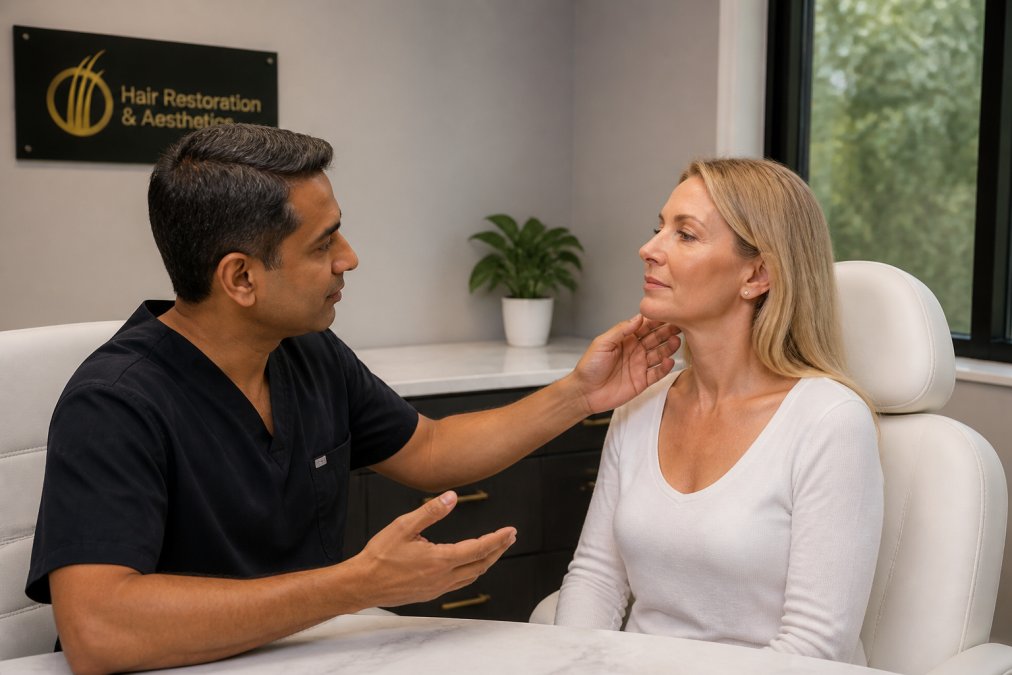
Start by identifying your primary concerns. Are you dealing mainly with expression lines? Neurotoxins are the most direct answer. Is volume loss the issue? Dermal fillers address this. Do you have significant sun damage, pigmentation, or rough texture? Laser rejuvenation or microneedling may be more appropriate. Many patients have multiple concerns and benefit from combination strategies.
Skin type matters. Darker skin tones require careful laser selection to avoid post-inflammatory hyperpigmentation. A board-certified physician experienced in treating diverse skin types will adjust parameters accordingly.
Your downtime tolerance shapes the decision. If you cannot take time off work, non-ablative fractional laser or dermal fillers are safer bets than ablative laser. Neurotoxin injections have virtually no downtime. If you're willing to manage a few days of visible healing, ablative fractional laser produces more dramatic results.
The best approach is a consultation with a board-certified physician who can assess your skin, understand your goals, and recommend a customized plan. Hair Restoration Clinic of Granite Bay offers free consultations where you can discuss options, see before-and-after examples, and get realistic expectations about results and maintenance.
Combination Therapy Protocols for Maximum Results
The most sophisticated non-surgical facial rejuvenation approaches combine multiple treatments targeting different aging mechanisms simultaneously. A patient with comprehensive aging concerns, dynamic wrinkles, volume loss, skin laxity, and poor texture, rarely achieves optimal results with a single treatment.
A common protocol might include neurotoxins to address dynamic wrinkles, dermal fillers to restore volume and contour, and fractional laser to improve skin texture and stimulate collagen. Treatments are typically spaced strategically: injectables first, then laser 1 to 2 weeks later to allow swelling from fillers to resolve.
Another approach pairs thread lifts with dermal fillers and neurotoxins. The threads provide structural support and collagen stimulation, fillers restore volume, and neurotoxins soften expression lines. This combination addresses multiple aging mechanisms and often produces more natural-looking results.
Microneedling pairs well with most other treatments. It stimulates collagen induction, improves product penetration, and enhances results of other therapies.
Generally, injectables are done first, followed by laser or microneedling 1 to 2 weeks later. This prevents swelling from fillers from interfering with laser or microneedling results. Thread lifts are often done before injectables to allow threads to settle.
Maintenance schedules are staggered: neurotoxin touch-ups every 3 to 4 months, filler maintenance every 6 to 12 months, and laser or microneedling treatments every 6 to 12 months. A skilled practitioner coordinates these to keep results consistent.
The advantage of combination therapy is addressing multiple aging mechanisms simultaneously. Results tend to look more natural because no single treatment does all the heavy lifting.
Choosing non-surgical facial rejuvenation treatments can feel overwhelming when facing multiple aging concerns. The key is working with a board-certified physician who listens to your goals, assesses your specific skin condition, and creates a customized plan. At Hair Restoration Clinic of Granite Bay, Dr. Piyush Kumar and our team specialize in comprehensive aesthetic rejuvenation using neurotoxins, dermal fillers, PDO threads, laser skin rejuvenation, and combination protocols. Schedule a free consultation to discuss which non-surgical facial rejuvenation treatments are right for your concerns and to see before-and-after examples from real patients with similar aging patterns.
Frequently Asked Questions
What is the most effective non-surgical facial rejuvenation treatment for wrinkles?
The most effective approach depends on your wrinkle type and skin condition. Neurotoxins work best for dynamic wrinkles (expression lines), while dermal fillers restore volume loss and address static wrinkles. Laser skin rejuvenation improves texture and fine lines by stimulating collagen remodeling. Many patients see optimal results by combining treatments, for example, neurotoxins with fillers or laser therapy. A board-certified physician can assess your skin and recommend a personalized protocol during a consultation.
How long do dermal fillers last, and what affects their longevity?
Most dermal fillers last 6-18 months, depending on the product type, injection depth, and your metabolism. Hyaluronic acid fillers typically last 6-12 months, while some advanced formulations extend to 18 months. Factors like sun exposure, smoking, and facial movement can shorten results. Maintenance appointments are needed to sustain volume and facial contouring. Your physician can recommend a schedule based on your specific filler and aesthetic goals.
What is PDO thread lift recovery time, and when will I see results?
PDO thread lifts involve minimal downtime, most people return to normal activities within 24-48 hours. You may experience mild swelling, bruising, or tenderness at insertion points for 3-5 days. Results appear gradually over 4-6 weeks as collagen induction strengthens the skin and provides subtle lifting. The threads dissolve over 6-9 months, but collagen remodeling continues, extending aesthetic benefits. Avoid strenuous exercise and facial manipulation for the first week.
How does laser skin rejuvenation improve skin texture and fine lines?
Laser skin rejuvenation uses fractional or non-ablative laser technology to stimulate collagen induction and elastin production in the dermal layers. The controlled thermal energy removes damaged epidermal cells and remodels deeper tissue, reducing fine lines, age spots, and rough texture. Results improve over 3-6 months as collagen continues rebuilding. Multiple sessions are often recommended for optimal photorejuvenation. Recovery depends on laser intensity, non-ablative options allow immediate return to activities, while fractional treatments may require 3-5 days downtime.
Can I combine different non-surgical treatments for better results?
Yes, combination therapy protocols are highly effective. For example, neurotoxins address dynamic wrinkles while dermal fillers restore volume; PDO threads provide skin tightening alongside laser therapy for texture improvement. A board-certified physician designs a customized protocol based on your skin type, Fitzpatrick scale classification, and aesthetic goals. Timing between treatments matters, your provider will space procedures appropriately to allow healing and optimal results. Combination approaches often deliver more dramatic facial rejuvenation than single treatments alone.
What should I do to prepare for non-surgical facial rejuvenation, and how should I care for my skin after?
Before treatment, avoid blood thinners, vitamin E supplements, and alcohol for 48 hours to minimize bruising. Stop retinoids 3-5 days prior if recommended by your physician. After treatment, keep the area clean and moisturized; use sunscreen daily (SPF 30+) to protect results and prevent photodamage. Avoid strenuous exercise, extreme heat, and facial manipulation for 24-48 hours depending on the procedure. Follow your physician's specific post-care instructions, as different treatments have different requirements. Schedule a follow-up to assess results and plan maintenance.
How do I know which non-surgical treatment is right for my skin type and concerns?
The right treatment depends on your skin type (Fitzpatrick scale), wrinkle patterns, skin laxity, and aesthetic goals. A board-certified physician evaluates your facial anatomy, sun damage, and pigmentation issues during a consultation. Dynamic wrinkles respond well to neurotoxins; volume loss and nasolabial folds benefit from fillers; skin texture and age spots improve with laser rejuvenation; skin laxity responds to PDO threads or radiofrequency therapy. Your provider may recommend combination protocols for comprehensive facial rejuvenation. A professional assessment ensures safe, effective, personalized results.
This article was written using GrandRanker