
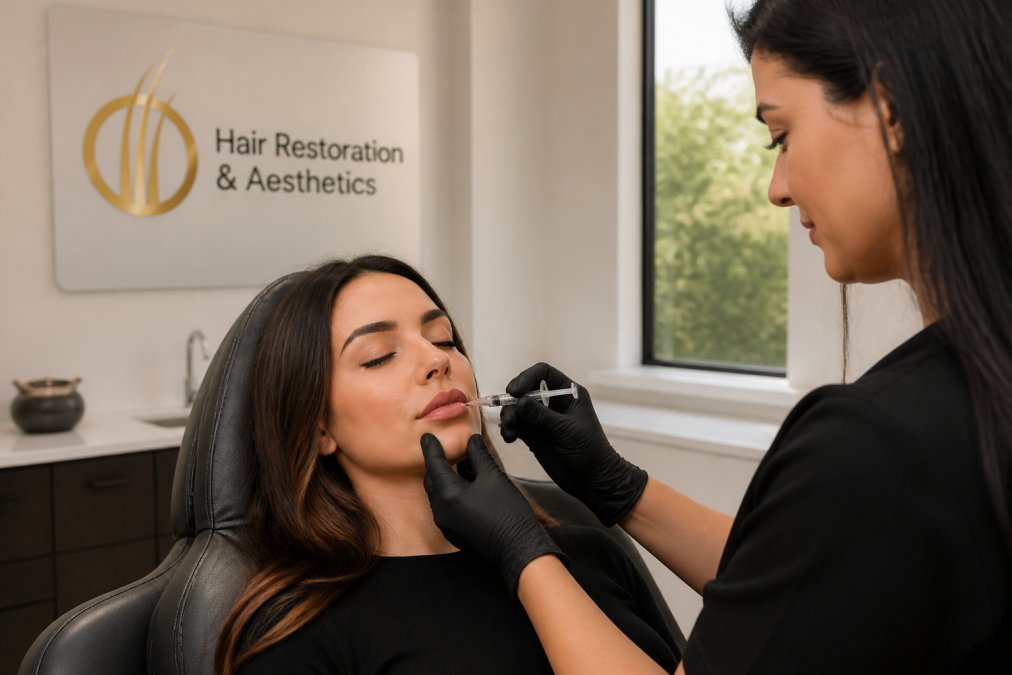
 how-to
Does Lip Filler Hurt? What to Expect During Injection
Table of Contents
- What Does Lip Filler Pain Actually Feel Like?
- How to Prepare for Your Lip Filler Appointment to Minimize Discomfort
- Numbing Options: What Your Aesthetic Practitioner Can Use
- Does Lip Filler Hurt More Based on Filler Type or Technique?
- Lip Filler Recovery Timeline: What to Expect After Injection
- Lip Filler Aftercare Tips to Reduce Swelling and Discomfort
- When to Call Your Provider: Side Effects and Warning Signs
- Frequently Asked Questions
Last Updated: September 15, 2026
What Does Lip Filler Pain Actually Feel Like?
Most patients describe lip filler pain as brief and manageable rather than sharp or prolonged. The injections themselves typically produce a quick pinching sensation, followed by a few seconds of pressure as the product settles into the tissue. This guide from Hair Restoration Clinic of Granite Bay explains what to expect before, during, and after treatment.
The experience varies by individual, but understanding the sequence helps reduce anxiety. A typical appointment involves a series of small injections, each lasting only a moment.
The Pinch vs. Pressure Distinction
The discomfort patients report most often is a pinch at the injection site, not ongoing pain. Lidocaine mixed into most modern dermal fillers numbs the area as the product enters, so the first injection usually feels sharper than the ones that follow. Pressure and fullness build as volume increases, and many patients find this sensation more noticeable than the needle itself. A common mistake is expecting constant pain throughout the appointment; in practice, most of the discomfort lasts only seconds per injection.
How to Prepare for Your Lip Filler Appointment to Minimize Discomfort
Preparation starts before you arrive. Avoiding alcohol and blood-thinning medications for several days beforehand can reduce bruising and swelling, which in turn lowers tenderness after the appointment. Arriving well-hydrated and having eaten a light meal helps stabilize your pain threshold.
A few practical steps make a measurable difference:
- Skip caffeine on appointment day, since it can increase sensitivity and restlessness
- Take arnica or bromelain only if your provider approves it beforehand
- Schedule the appointment when you are not rushed, so you can stay calm during injections
- Bring a list of medications and supplements so your practitioner can flag contraindications for pain relief
Anxiety management matters more than most people expect. Patients who arrive tense tend to tense their facial muscles, which makes injections feel sharper.
Numbing Options: What Your Aesthetic Practitioner Can Use
Numbing is the single biggest factor in how much lip filler hurts during injection. Most providers use a layered approach, combining a topical anesthetic applied before treatment with lidocaine already blended into the filler itself.
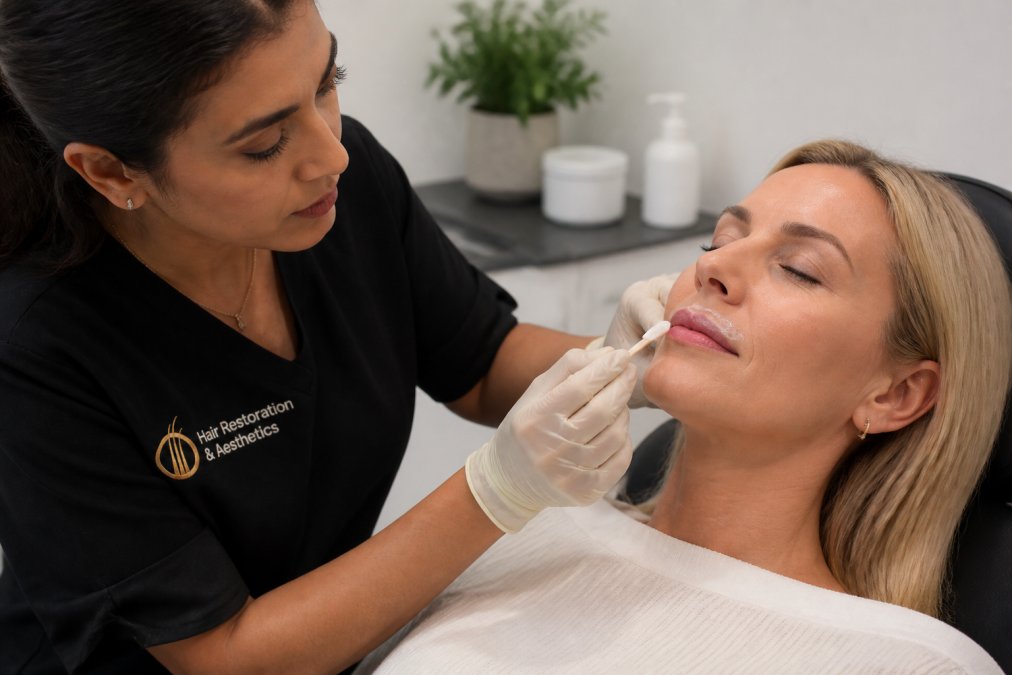
Topical Anesthetic and Lidocaine
A topical numbing cream containing lidocaine is typically applied 15 to 30 minutes before injections begin. It dulls the surface of the lips but does not reach deeper tissue, which is why most fillers also contain lidocaine to numb as they are injected. The FDA labeling for lidocaine topical products notes that topical anesthetics should be applied by a trained professional, since overuse can cause systemic effects.
Nerve Blocks and Dental Blocks
For patients with a low pain threshold or extensive treatment plans, some practitioners offer a dental block, which numbs a wider area around the mouth. This eliminates most sensation during the procedure but adds numbness that can last a few hours afterward. It is not routine for every patient, but it is a legitimate option worth asking about.
Does Lip Filler Hurt More Based on Filler Type or Technique?
Filler type and injection technique both influence discomfort, though technique usually matters more. The single biggest variable patients can actually ask about is product density, because viscosity determines how much force the practitioner must apply to push the product through the needle.
How Viscosity Drives the Sensation
Hyaluronic acid fillers are gels, and gels resist flow. A thicker, more highly cross-linked gel requires more pressure to extrude, and that pressure is transmitted to the tissue as a firmer, deeper push. A thinner gel flows more easily and tends to register as a lighter, quicker sensation. Cross-linking, the chemical process that binds HA molecules into a stable gel, is what separates a soft lip product from a firm structural one. More cross-linking generally means more lift and more resistance at the moment of injection.
Comparative Pain Levels by Filler Type
Most practitioners group lip fillers into three broad density bands, and the comfort profile tracks that grouping:
Schedule a Free Consultation →
- Soft, low-viscosity fillers flow easily and are often chosen for superficial lip hydration and fine border definition. These tend to feel lightest during injection.
- Medium-density fillers balance flow and structure and are the most common choice for lip body and volume. Sensation is moderate, a firm but brief push.
- Firm, high-viscosity fillers resist flow and require more injection force. They are typically reserved for structural support rather than the lip body itself, and they feel the firmest of the three.
A useful rule of thumb: the more a product is designed to hold shape, the more pressure it takes to place, and the more pressure the patient feels. This is why a practitioner may use a softer product for the lip body and a firmer one only where structural support is needed.
Needle Versus Cannula
Technique plays a larger role than most patients realize. A cannula, which is a blunt-tipped instrument, typically causes less bruising than a sharp needle because it glides around vessels rather than cutting through them. Needles offer more precision for defining the lip border, but they carry a higher risk of bruising and a sharper pinch. Needle gauge also matters: finer needles cause less trauma at the injection site, though a finer needle also means more resistance when pushing a thick product, which can offset some of the comfort gain.
Technique Variables That Change the Feel
Beyond the instrument, how the product is placed matters:
- Slow, staged injection gives tissue time to accommodate volume and usually feels gentler than a rapid single pass.
- Fewer, larger boluses versus many small aliquots change the rhythm of discomfort; many patients prefer the steady cadence of smaller deposits.
- Aspiration and slow withdrawal reduce the risk of intravascular injection, which is a safety measure rather than a comfort one, but it also slows the pace and can feel less jarring.
- Lidocaine in the product numbs as it enters, so the first injection of a session usually feels sharper than subsequent ones in the same area.
| Factor | Feels Lighter | Feels Firmer |
|---|---|---|
| Filler consistency | Thin, low-viscosity | Thick, high-viscosity |
| Instrument | Cannula | Sharp needle |
| Technique | Slow, staged injection | Rapid, single-pass injection |
| Anesthetic | Filler with lidocaine | Filler without lidocaine |
| Needle gauge | Finer gauge | Larger gauge |
The honest takeaway is that no single product is universally more painful than another. Density, instrument, technique, and whether lidocaine is built in all interact, and a skilled practitioner tailors that combination to your anatomy and your comfort level.
Lip Filler Recovery Timeline: What to Expect After Injection
The lip filler recovery timeline is shorter than most patients expect, but the discomfort does not end when you leave the chair. Understanding the hour-by-hour arc of the first 48 hours helps you plan your day, your sleep, and your pain relief without guesswork. Most practitioners describe a predictable pattern rather than a steady decline.
The First 2 to 4 Hours
Numbing is still active when you leave, so the lips often feel rubbery, heavy, or slightly numb rather than painful. As the topical anesthetic and the lidocaine blended into the filler wear off, a dull ache and a sense of fullness begin to surface. This is the window when most patients first notice real tenderness.
Hours 4 to 12
Hours 12 to 24
Hours 24 to 48
Days 3 to 7
Lip Filler Aftercare Tips to Reduce Swelling and Discomfort
A simple aftercare routine:
When to Call Your Provider: Side Effects and Warning Signs
Watch for these warning signs:
Frequently Asked Questions
How painful are lip filler injections?
Most people describe lip filler pain as a brief pinch or pressure sensation rather than sharp pain. The lips are sensitive, but a skilled aesthetic practitioner uses topical anesthetic and can add a nerve block to keep discomfort minimal. You may feel a stinging or burning as the product goes in, but it fades quickly. The entire injection usually takes 15 to 30 minutes, and any tenderness afterward is mild and manageable with ice packs.
What can I do to make lip filler injections less painful?
You can reduce lip filler pain by avoiding blood thinners like aspirin or ibuprofen for a few days before your appointment, skipping caffeine on the day, and arriving well hydrated. Ask your provider about a topical numbing cream or a dental block. During the procedure, practice slow breathing and squeeze a stress ball. Afterward, use cold compresses and avoid strenuous exercise for 24 hours to limit swelling and discomfort.
Does numbing cream help with lip filler pain?
Yes, numbing cream containing lidocaine significantly reduces sensation in the lips. Your provider typically applies it 15 to 30 minutes before the injection. It dulls the surface pain, but you may still feel pressure or a mild pinch. For deeper comfort, some practitioners combine topical anesthetic with a nerve block. Always tell your provider if you have had reactions to lidocaine or other anesthetics.
How long does the discomfort last after lip filler injections?
Most discomfort after lip filler injections lasts 24 to 48 hours. You can expect swelling, tenderness, and possibly bruising for up to a week. Cold compresses help during the first 24 hours. Over-the-counter acetaminophen can ease soreness, but avoid ibuprofen or aspirin for the first day because they may increase bruising. If pain worsens after three days or you notice severe swelling, contact your provider.