
 how-to
Abdominal Liposuction Recovery Time: Full Guide
Table of Contents
- What to Expect From Abdominal Liposuction Recovery
- Week-by-Week Abdominal Liposuction Recovery Timeline
- Abdominal Swelling Timeline After Liposuction
- Compression Garment Usage After Abdominal Surgery
- When Can I Exercise After Abdominal Liposuction?
- Nutrition, Hydration, and Scar Care During Recovery
- Travel, Logistics, and Psychological Recovery
- Conclusion
Last Updated: August 21, 2026
What to Expect From Abdominal Liposuction Recovery
Abdominal liposuction recovery is a structured, multi-phase process that most patients navigate successfully with the right preparation and realistic expectations. At Hair Restoration Clinic of Granite Bay, we believe an informed patient recovers more confidently. The procedure uses a specialized cannula to emulsify subcutaneous fat before removal, triggering the body's natural inflammatory response: swelling, bruising, and temporary discomfort are not complications, they are the healing process working as intended.
Here is what the overall arc looks like:
- First 72 hours: Highest discomfort, drainage from incision sites, significant edema
- Weeks 1-2: Bruising peaks and begins to fade, drains removed, compression garment worn continuously
- Weeks 3-6: Most patients return to sedentary jobs, swelling reduces noticeably
- Months 2-6: Final contouring results emerge as skin retraction completes
Most patients reach functional normalcy within four to six weeks, though aesthetic results take closer to three to six months to fully appear. Your behavior during recovery directly shapes your final result. Lymphatic drainage, hydration, and compression garment compliance are essential parts of the treatment.
American Society of Plastic Surgeons overview of liposuction recovery
Week-by-Week Abdominal Liposuction Recovery Timeline
The recovery timeline for abdominal liposuction follows a predictable sequence. The volume of fat removed, your baseline health, and how well you follow post-operative care instructions all affect pacing.

Days 1-3: Immediate Post-Operative Care
The first 72 hours after abdominal liposuction are the most physically demanding of the recovery period. Expect significant swelling, bruising, and fluid drainage from the incision sites, this is tumescent fluid leaving the body, and it is normal.
What to do:
- Rest in a reclined position; avoid lying flat on your back for extended periods
- Wear your compression garment continuously (remove only to shower, if your surgeon permits)
- Take prescribed pain medication on schedule; staying ahead of inflammation is easier than catching up
- Keep a record of drainage volume and color to report at your follow-up appointment
- Walk slowly around your home every few hours to reduce the risk of blood clots
Pain management typically involves prescription pain medication and anti-inflammatory drugs. Most patients describe the sensation as deep soreness rather than sharp pain, similar to an intense muscle strain across the entire abdomen. A common mistake is stopping pain medication early because you feel better, inflammation is still active beneath the surface.
Week 1-2: Managing Discomfort and Drainage
Bruising typically peaks around days four to seven before it begins to fade. Edema remains pronounced through the end of week two, which is the body's inflammatory response doing its job.
Your surgeon will likely remove any drainage tubes during this window. Once drains are out, post-surgical massage and lymphatic drainage therapy become relevant. Many plastic surgeons recommend starting manual lymphatic drainage sessions around day five to seven to help move trapped fluid and reduce seroma formation risk.
Signs to watch for and report to your surgeon:
- Fever above 101°F
- Sudden increase in swelling on one side only
- Redness or warmth spreading from an incision site
- Drainage that turns cloudy or foul-smelling
Hematoma and seroma are the two most common post-operative complications and are manageable when caught early, which is why follow-up appointments during this phase are essential.
Weeks 3-6: Swelling Reduction and Returning to Work
This is the phase where most patients feel genuinely human again. Swelling continues to decrease, bruising resolves for most patients by week three, and energy levels return enough to resume light daily activities.
Most patients with sedentary jobs can return to work between weeks two and four, depending on comfort level. If your job involves standing for long periods, physical exertion, or lifting, expect a longer absence of four to six weeks. Strenuous activity remains off-limits, as the abdominal wall and surrounding tissue are still in active healing.
Months 2-6: Final Contouring Results Emerge
Residual swelling can persist for three to four months, particularly in the lower abdomen. This is why patients sometimes feel disappointed at the two-month mark, the final result simply is not visible yet. Skin retraction, the process by which the skin tightens and conforms to the new contour, continues throughout this period. Patients with good skin elasticity typically see excellent tightening, while those with reduced elasticity may benefit from additional skin-tightening treatments. The aesthetic results become fully apparent between months four and six.
Abdominal Swelling Timeline After Liposuction
Understanding the abdominal swelling timeline after liposuction helps patients set accurate expectations and avoid unnecessary anxiety.
Swelling progression by phase:
Phase | Expected Swelling Level | Key Milestone |
|---|---|---|
Days 1-3 | Maximum swelling | Tumescent fluid draining |
Days 4-10 | Swelling peaks, then plateaus | Bruising most visible |
Weeks 2-4 | Gradual reduction begins | Compression garment critical |
Months 1-3 | Continued improvement | Most patients see clear progress |
Months 3-6 | Near-final result | Skin retraction completing |
The lower abdomen tends to hold swelling longer than the upper abdomen due to gravity and denser connective tissue. Patients frequently notice that the upper abdomen looks dramatically improved while the lower region still appears swollen at the six-week mark. Lymphatic drainage massage, consistent compression garment use, and reduced sodium intake all accelerate swelling resolution.
Compression Garment Usage After Abdominal Surgery
Compression garment usage after abdominal surgery is one of the most impactful factors in both comfort and final outcome. The garment applies consistent, graduated pressure to the treatment area, which reduces edema by preventing fluid accumulation, supports the abdominal wall as tissue heals, and helps the skin conform to the new contour during the skin retraction phase.
Standard compression garment protocol (confirm specifics with your surgeon):
- Weeks 1-2: Wear continuously, 24 hours a day, removing only to shower
- Weeks 3-6: Many surgeons transition patients to 12-16 hours daily
- Months 2-3: Nighttime wear or as directed, based on residual swelling
- After month 3: Typically discontinued unless swelling persists
The garment should feel firm but not painful. If it creates pressure points, numbness, or skin breakdown, contact your surgeon, fit adjustments matter. Many patients need a second, smaller garment as swelling reduces significantly around weeks three to four. A common mistake is stopping garment use early because the area "feels fine." Swelling at this stage is often not visible but is still present in the tissue, and premature discontinuation can lead to uneven fluid distribution and affect the final contour.
According to guidance from the American Board of Cosmetic Surgery on post-operative care, consistent compression is among the most evidence-supported post-operative interventions for liposuction outcomes.
When Can I Exercise After Abdominal Liposuction?
Returning to exercise after abdominal liposuction follows a staged protocol, and the timeline is less flexible than most patients want to hear.
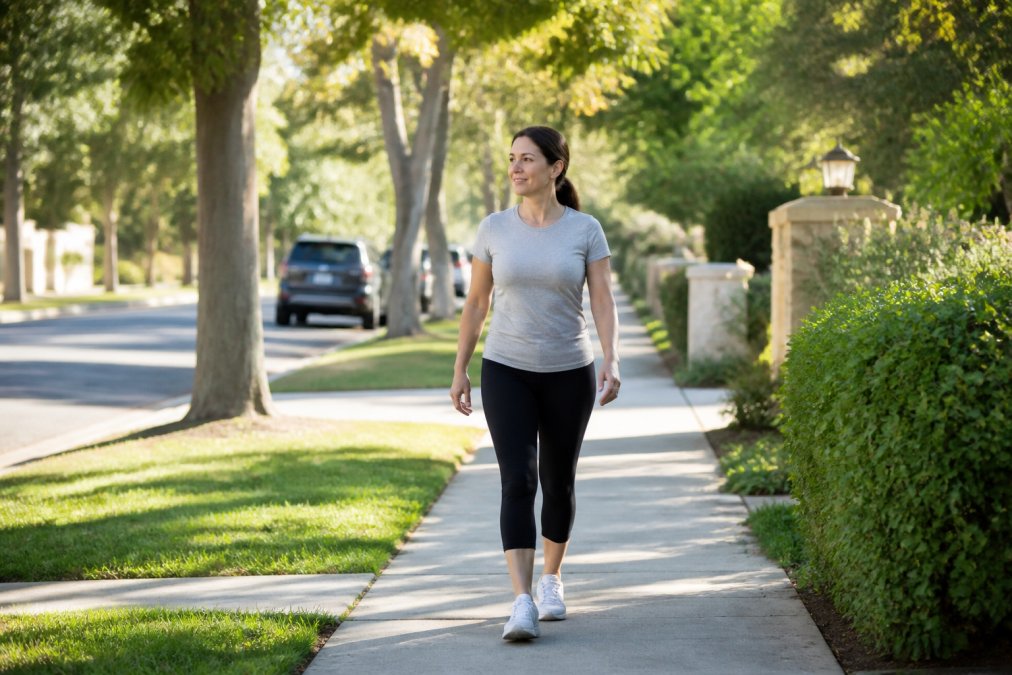
The abdominal muscles and overlying tissue take six to eight weeks to reach a level of structural integrity that tolerates direct loading. Pushing that timeline increases the risk of seroma formation, delayed healing, and disrupted contouring.
Exercise return timeline:
Schedule a Free Consultation →
- Days 1-7: Walking only, short, slow, around the house
- Weeks 2-3: Gradually increase walking distance; no core engagement
- Weeks 4-6: Light lower-body activity (stationary bike at low resistance); still no abdominal exercises
- Week 6-8: Return to moderate cardio, pending surgeon clearance at follow-up appointment
- Month 3+: Full return to strength training, including core work, with physician approval
The single most common exercise mistake is returning to yoga or Pilates too early. Both disciplines engage the deep abdominal muscles extensively, and even "gentle" versions create significant intra-abdominal pressure. Swimming is also off-limits until all incision sites are fully healed, typically six weeks minimum, due to infection risk.
Nutrition, Hydration, and Scar Care During Recovery
Nutrition, hydration, and scar management are where patient behavior has the clearest impact on outcome.
Nutrition for healing:
The body's repair process is metabolically demanding. Protein is the primary building block for tissue repair; most practitioners recommend prioritizing lean protein sources at every meal during the first six weeks. Anti-inflammatory foods (leafy greens, omega-3-rich fish, berries) support the healing process, while processed foods and excess sodium worsen edema and slow lymphatic drainage. Alcohol dilates blood vessels, increases bruising risk, and interacts with pain medication, most surgeons recommend avoiding it for at least two weeks post-operatively.
Hydration:
Adequate hydration is directly linked to lymphatic function. The lymphatic system moves fluid and cellular waste out of healing tissue, and it requires sufficient hydration to operate efficiently. Aim for consistent water intake throughout the day.
Scar care:
Incision sites from abdominal liposuction are typically small but benefit from proactive management. Once incisions are fully closed, usually around weeks two to three, silicone-based scar gel or sheeting can help minimize scar formation. Sun protection over incision sites is essential for at least a year, as UV exposure significantly darkens post-surgical scars. Massage over healed incision sites, once cleared by your surgeon, helps break down scar tissue and improves skin appearance.
According to National Institutes of Health research on wound healing and scar management, silicone-based interventions are among the most studied and supported approaches for post-surgical scar reduction.
Travel, Logistics, and Psychological Recovery
Two topics that rarely appear in standard recovery guides, and both matter more than most patients expect.
Travel logistics:
Sitting for extended periods in a vehicle or airplane creates pressure on the abdominal tissue, slows lymphatic drainage, and increases blood clot risk during early recovery. Most surgeons advise against flights longer than two hours for the first two weeks and recommend avoiding long road trips for at least four weeks. If travel is unavoidable, compression garments become even more important during transit. Standing and walking every 45-60 minutes on a flight, and stopping to walk during long drives, helps maintain circulation.
For patients traveling to reach their provider, post-operative logistics need planning before surgery. You need someone to drive you home on the day of surgery, as anesthesia and sedation make driving unsafe. Plan for at least one overnight companion for the first 48 hours.
Psychological recovery:
The first two to three weeks after abdominal liposuction often produce a psychological dip. The area looks worse before it looks better, as swelling, bruising, and numbness can make the abdomen appear larger or misshapen than before surgery. This is temporary and expected but genuinely distressing if you are not prepared for it. A common pattern: patients feel excited immediately after surgery, then experience doubt and frustration around weeks two to three when swelling peaks and results are invisible. By weeks four to six, as swelling reduces, mood typically improves in step with visible progress.
Managing expectations proactively is more effective than managing distress reactively. Discuss the psychological arc with your surgeon before the procedure and ask specifically what you will look like at two weeks.
For patients considering abdominal liposuction recovery alongside other body contouring decisions, Dr. Piyush Kumar at Hair Restoration Clinic of Granite Bay brings over a decade of experience with FDA-approved technology and a patient-centered approach that addresses both the physical and psychological dimensions of recovery.
Recovery Summary: At a Glance
Recovery Phase | Duration | Key Actions | Return to Activity |
|---|---|---|---|
Immediate post-op | Days 1-3 | Rest, compression, drainage monitoring | Walking only |
Early recovery | Weeks 1-2 | Lymphatic drainage, follow-up appointments | Light walking |
Active recovery | Weeks 3-6 | Gradual activity increase, garment compliance | Sedentary work, light cardio |
Final healing | Months 2-6 | Scar care, skin retraction, nutrition | Full activity with clearance |
Recovering from abdominal liposuction takes patience, consistency, and the right clinical guidance. Swelling, compression garment use, and activity restrictions are not inconveniences to work around, they are the structure that produces lasting results. Skipping steps or rushing the timeline is the most reliable way to compromise the final outcome.
Hair Restoration Clinic of Granite Bay, led by board-certified physician Dr. Piyush Kumar, provides comprehensive post-operative care guidance alongside FDA-approved body contouring procedures. With over a decade of experience and a commitment to precise, minimal-tissue-damage techniques, the clinic supports patients through every phase of recovery.
Schedule a free consultation to discuss your abdominal liposuction recovery and get a personalized recovery plan built around your goals and lifestyle.
Frequently Asked Questions
How long does it take to recover from abdominal liposuction?
Most patients resume sedentary work within one to two weeks and feel largely comfortable by week six. Residual swelling and edema, however, can persist for three to six months as the tissue trauma resolves and subcutaneous fat layers settle. Final body sculpting results typically become visible around the six-month mark. Your surgeon's follow-up appointment schedule will track your healing process and flag any concerns such as seroma or hematoma formation early.
Why does my stomach look bigger three weeks after liposuction?
Swelling peaks during the first two to three weeks as the body responds to tissue trauma and the tumescent fluid used during the procedure. Inflammation causes the treated area to appear larger before it begins to shrink. This is a normal part of the healing process, not a sign that fat has returned. Consistent compression garment usage after abdominal surgery and lymphatic drainage massage help reduce edema faster. Most patients see noticeable improvement by weeks four to six.
How long is the abdomen firm or hard after liposuction?
Firmness and hardness in the abdominal area are common for six to twelve weeks after ultrasound-assisted liposuction. The sensation results from internal inflammation, fluid accumulation, and the skin retraction process as tissue remodels around the new contour. Post-surgical massage and lymphatic drainage can soften these areas more quickly. If hardness is accompanied by significant pain or localized heat, contact your provider promptly to rule out complications like seroma.
When can I exercise after abdominal liposuction?
Light walking is encouraged from day one to support circulation and reduce the risk of blood clots. Low-impact activity such as casual walking can increase gradually through weeks two and three. Most patients can return to moderate exercise around weeks four to six, once incision sites have closed and swelling has reduced significantly. Strenuous activity, core exercises, and heavy lifting should be avoided for at least six weeks or until your surgeon clears you at a follow-up appointment.
This article was written using GrandRanker
Frequently Asked Questions
How long does it take to recover from abdominal liposuction?
Most patients resume sedentary work within one to two weeks and feel largely comfortable by week six. Residual swelling and edema, however, can persist for three to six months as the tissue trauma resolves and subcutaneous fat layers settle. Final body sculpting results typically become visible around the six-month mark. Your surgeon's follow-up appointment schedule will track your healing process and flag any concerns such as seroma or hematoma formation early.
Why does my stomach look bigger three weeks after liposuction?
Swelling peaks during the first two to three weeks as the body responds to tissue trauma and the tumescent fluid used during the procedure. Inflammation causes the treated area to appear larger before it begins to shrink. This is a normal part of the healing process, not a sign that fat has returned. Consistent compression garment usage after abdominal surgery and lymphatic drainage massage help reduce edema faster. Most patients see noticeable improvement by weeks four to six.
How long is the abdomen firm or hard after liposuction?
Firmness and hardness in the abdominal area are common for six to twelve weeks after ultrasound-assisted liposuction. The sensation results from internal inflammation, fluid accumulation, and the skin retraction process as tissue remodels around the new contour. Post-surgical massage and lymphatic drainage can soften these areas more quickly. If hardness is accompanied by significant pain or localized heat, contact your provider promptly to rule out complications like seroma.
When can I exercise after abdominal liposuction?
Light walking is encouraged from day one to support circulation and reduce the risk of blood clots. Low-impact activity such as casual walking can increase gradually through weeks two and three. Most patients can return to moderate exercise around weeks four to six, once incision sites have closed and swelling has reduced significantly. Strenuous activity, core exercises, and heavy lifting should be avoided for at least six weeks or until your surgeon clears you at a follow-up appointment.